Leave Your Message

How to Choose Outdoor Play Sets in 2026?

Choosing Outdoor Play Sets in 2026 requires more than comparing bright colors, prices, and online ratings. Families now expect safer materials, inclusive access, durable construction, and meaningful play value. A good set should fit the children, the garden, and the adults responsible for supervision.

Dr. Joe Frost, a respected playground researcher and professor emeritus, describes play as “the work of childhood.” That idea remains practical today. Climbing walls, swings, slides, and imaginative features should challenge children without creating unnecessary hazards. Look for stable anchoring, rounded edges, strong fasteners, weather-resistant surfaces, and fall zones suited to the equipment. Check current guidance from trusted safety authorities, such as the U.S. Consumer Product Safety Commission and relevant ASTM or EN standards. Compliance does not replace careful installation or supervision.

The best choice also reflects real family experience. Measure the available space with a tape measure, including swing movement and maintenance access. Touch the surfaces. Inspect drainage after rain. Ask whether replacement parts remain available. Some products look impressive in photographs but feel cramped in a small yard. That mistake is easy to make.

Think about long-term use. Can a younger child enjoy it safely now, while older children still find enough challenge later? Consider shade, accessibility, noise, and neighborhood conditions. No checklist is perfect. I may value durability more than appearance, while another family prioritizes imaginative play. That is why this guide compares practical details, expert guidance, and everyday usability before recommending Outdoor Play Sets for 2026.
How to Choose Outdoor Play Sets in 2026?

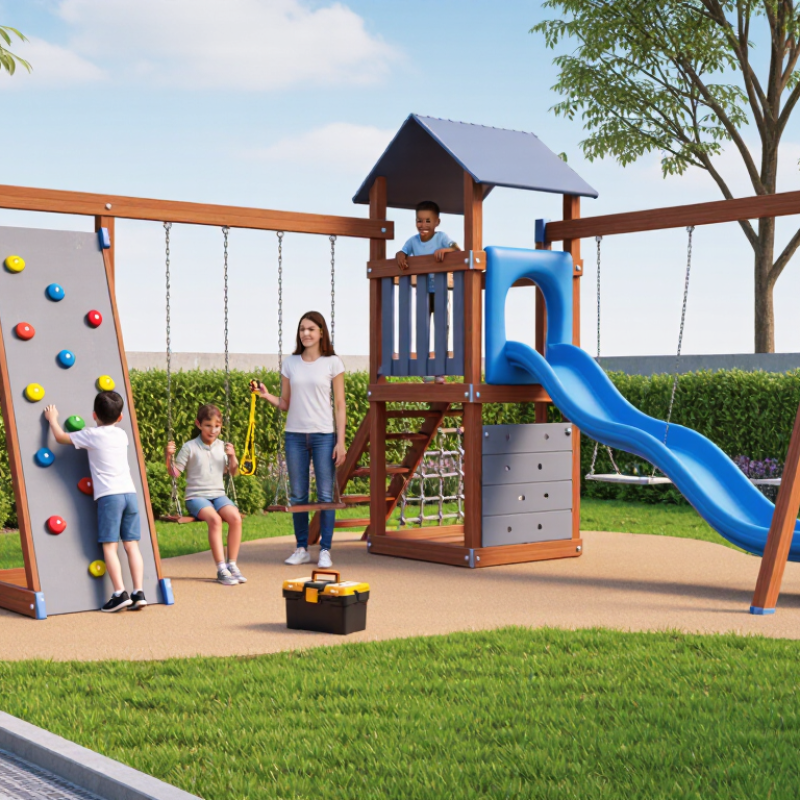
Define Your Outdoor Play Set Needs and Available Space

Before choosing an outdoor play set, define how your children will actually use it. A toddler may need low steps, gentle slides, and enclosed climbing areas. Older children often want swings, climbing walls, or room for imaginative games. Watch their play for a week. It reveals more than a product description.

Measure the available space carefully. Include the house wall, fences, trees, paving, and nearby play equipment. Leave a generous fall zone around every active feature. Soft ground can reduce injury risk, but it still needs regular inspection. Check drainage after rain. Mud under a swing quickly becomes a maintenance problem. I once underestimated how far a swing moved, so I now mark its full arc with temporary cones before buying.

Think about supervision, too. Can an adult see the entire set from the kitchen or patio? A beautiful corner hidden behind shrubs may be difficult to monitor. Count the children who may play together, not only today’s users. Extra capacity can prevent pushing and unsafe crowding. However, more equipment is not always better. A smaller set with open sightlines may serve your family more reliably.

Write down three priorities and two limits. Consider budget, installation time, seasonal storage, and future growth. Recheck every measurement. Small errors matter. Your first plan may need changing. That is normal.
Compare Play Set Materials, Designs, and Safety Features

How to Choose Outdoor Play Sets in 2026?

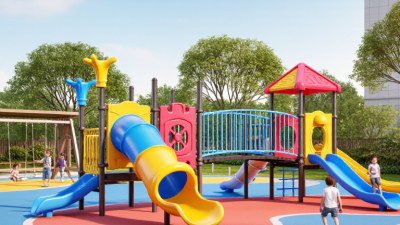
Material choice affects comfort, maintenance, and long-term value. Treated wood feels warm and blends with gardens, but it needs regular checks for cracks, splinters, and moisture damage. Powder-coated metal offers strong support and slim designs, although it can become hot under direct summer sunlight. Plastic components resist rust and feel gentle for younger children, but thin panels may fade or weaken over time. I once chose appearance over maintenance. That decision was not perfect.

Design should match the children’s ages, abilities, and available space. A compact set with low steps and short slides suits toddlers better than a tall climbing tower. Older children may enjoy rope bridges, climbing walls, and varied platforms. Measure the full use area, not only the frame. Swings need extra clearance at the front and back. Watch the traffic flow. A crowded layout can cause avoidable collisions.

Safety features deserve careful, hands-on inspection. Look for rounded edges, secure bolts, stable anchors, and openings that cannot trap a child’s head or limbs. Handrails should feel firm, even when wet. Choose impact-absorbing surfacing, such as certified rubber tiles or a properly maintained loose-fill surface. Check age guidance, weight limits, installation instructions, and current local safety requirements. I would also inspect the set after heavy rain and strong wind. Small loosening can be easy to miss. Safety labels help, but they do not replace supervision or regular maintenance.

How to Choose Outdoor Play Sets in 2026? – Compare Play Set Materials, Designs, and Safety Features

Play Set Option Primary Material Typical Design and Best Use Expected Service Life Maintenance Level Key Safety Features Typical Footprint Overall Suitability
Traditional Wood Tower Pressure-treated structural wood with exterior-grade fasteners Raised platform with a slide, climbing wall, ladder, and optional swings; suitable for medium to large yards. Approximately 10–15 years with regular sealing, drainage, and hardware checks. Moderate Guardrails on elevated platforms, enclosed climbing openings, capped bolts, non-slip steps, and impact-absorbing surfacing. About 3.0 × 3.6 m
(10 × 12 ft)
Good for mixed-age household play
Cedar Play Set naturally rot-resistant cedar with corrosion-resistant metal connectors Warm-looking modular structure for residential gardens; commonly configured with slides, swings, and playhouses. Approximately 8–12 years, depending on climate, roof coverage, and surface treatment. Moderate Rounded or sanded edges, stable anchoring, handgrips, protective barriers, and age-appropriate swing spacing. About 3.0 × 3.6 m
(10 × 12 ft)
Good balance of appearance and play value
Powder-Coated Steel Frame Galvanized or corrosion-resistant steel with a powder-coated finish Compact or commercial-style frame for frequent use and areas where structural rigidity is important. Approximately 12–20 years when coating remains intact and rust is treated promptly. Low to moderate Welded joints, rounded tubing, tamper-resistant hardware, pinch-point protection, and secure ground anchors. About 2.4 × 3.6 m
(8 × 12 ft)
Strong choice for durability and frequent use
Molded Plastic Play Set UV-stabilized, high-density polyethylene or similar outdoor-grade plastic Low-height slide, crawl-through tunnel, climbing steps, and small platform for toddlers or compact spaces. Approximately 5–10 years, depending on sunlight exposure and temperature changes. Low Low platform height, wide steps, smooth molded edges, enclosed sides, and no exposed splintering surfaces. About 1.5 × 2.4 m
(5 × 8 ft)
Best for toddlers and smaller yards
Modular Hybrid Set Wood or metal frame combined with plastic slides, climbing grips, and rope elements Expandable layout that can add swings, slides, monkey bars, or sensory features over time. Approximately 8–15 years, based on the frame material and replacement-part availability. Moderate Multiple age-zoned activities, guardrails, safe transition points, capped hardware, and separately anchored components. About 3.6 × 4.6 m
(12 × 15 ft)
Best for growing families and flexible layouts
Inclusive Ground-Level Set Powder-coated metal, durable plastic, rubber components, and accessible surfacing Ground-level activities such as transfer platforms, sensory panels, accessible ramps, and low slides. Approximately 10–20 years, depending on construction quality and maintenance. Low to moderate Accessible routes, transfer supports, stable handrails, reduced fall heights, rounded edges, and clear circulation zones. About 3.6 × 4.6 m
(12 × 15 ft)
Best for varied mobility and mixed abilities
Compact Swing-and-Slide Set Wood or coated steel frame with plastic or molded-fiberglass slide Simple arrangement for small gardens, usually including two swings and one slide. Approximately 8–15 years, depending on frame material and exposure. Moderate Heavy-duty swing hangers, appropriate seat restraints for younger children, stable anchors, slide sidewalls, and fall protection. About 2.4 × 3.0 m
(8 × 10 ft)
Good for essential play within a limited footprint
Adventure Climbing Set Wood or steel frame with climbing nets, cargo nets, ladders, and climbing walls Higher-challenge design for older children who need climbing, balance, and upper-body activities. Approximately 10–15 years with regular inspection of ropes, grips, and connection points. Moderate to high Fall-height assessment, tightly secured ropes, anti-entrapment spacing, impact-absorbing ground cover, and secure handholds. About 3.6 × 4.6 m
(12 × 15 ft)
Best for older, confident climbers
Covered Playhouse Set Wood, plastic, or composite panels with a weather-resistant roof Imaginative role-play space with a small platform, windows, steering wheel, picnic table, or outdoor kitchen features. Approximately 8–15 years, depending on ventilation, roof condition, and material quality. Moderate Ventilated panels, rounded window openings, finger-safe hinges, visible entry points, and secure platform barriers. About 2.4 × 3.6 m
(8 × 12 ft)
Good for imaginative and cooperative play
Safety checklist: Choose equipment appropriate for the child’s age and ability, install it on a level surface, follow the manufacturer’s fall-zone requirements, anchor the structure securely, and use impact-absorbing surfacing where elevated play equipment is present. Always check current local regulations and recognized playground safety standards before installation.

Evaluate Age Suitability, Accessibility, and Play Value

How to Choose Outdoor Play Sets in 2026?

Age suitability should guide every purchase, not colorful features alone. Check the stated age range, platform height, step spacing, and fall zones. A toddler may manage a low ramp but struggle with steep ladders. Older children need more challenging movement, such as climbing nets, balancing beams, and varied routes. Watch children play before deciding. Their confidence can differ greatly from their age.

Accessibility deserves equal attention. Look for ground-level activities, wide entry points, stable handrails, and surfaces that support mobility equipment. A transfer platform can help a child move from a wheelchair, while sensory panels can include children who avoid intense climbing. Keep pathways firm and uncluttered. I once saw a well-designed set become difficult to use because loose gravel blocked the entrance. Small details matter.

Play value means more than the number of slides. Choose equipment that encourages movement, cooperation, imagination, and repeated challenges. A pretend shop, steering wheel, or pulley can turn one structure into many games. Select materials that resist weather, and inspect bolts, edges, ropes, and drainage regularly. Follow current local playground guidance and the installation instructions. Expert advice helps, but observe real children too. Some features look exciting yet remain untouched. A quieter corner may become the favorite place.

Check Installation Requirements, Maintenance, and Durability

Choosing an outdoor play set in 2026 requires more than comparing colors and slide lengths. Installation affects safety and lifespan. The U.S. Consumer Product Safety Commission estimated over 200,000 playground-related injuries treated in emergency departments during 2021. Many involved falls. Place the set on level ground, follow the required fall zones, and use impact-absorbing surfacing suited to the equipment height. Anchors must remain stable after rain, frost, and repeated climbing. A rushed installation can create movement that was not obvious on day one.

Read the installation manual before buying. Check access width, assembly time, required tools, and whether concrete anchoring is necessary. ASTM F1148 provides safety guidance for residential play equipment, but compliance does not replace careful installation. Inspect bolts, joints, chains, handgrips, and protective caps every month. Look closely after storms. Rust stains, cracked plastic, splintered wood, or softened ground need prompt attention. Small defects grow quickly.

Durability depends on materials and maintenance, not advertising language. The U.S. Forest Products Laboratory reports that moisture is a major driver of wood decay, so drainage and ventilation matter. Keep soil away from wooden posts, and remove standing water around anchors. Clean surfaces gently; harsh chemicals may weaken finishes. I would also record inspection dates, because memory is unreliable. That habit feels excessive, until a loose bolt is missed. Even strong equipment eventually needs replacement parts. Plan for that before purchase.

How to Choose Outdoor Play Sets in 2026?

Compare practical planning benchmarks for installation, maintenance, and durability before selecting an outdoor play set.

The benchmarks show typical planning ranges rather than guaranteed product performance. Fall-zone and surfacing values are based on U.S. Consumer Product Safety Commission public playground guidance. Actual service life depends on material quality, climate, drainage, usage, and maintenance.

Set a Budget and Select the Best Outdoor Play Set for 2026

Set a realistic budget before comparing outdoor play sets in 2026. The purchase price is only one part of the cost. Include delivery, ground preparation, assembly, safety surfacing, and future maintenance. A wooden set may need sealing, while metal components can require rust checks. I have found that cheap assembly often creates loose connections later. Professional installation costs more, but it can reduce avoidable safety problems.

Measure the play area carefully, including swing movement and walking space. Leave a clear zone around slides and climbing walls. Choose equipment that matches your child’s age, height, and confidence level. Toddlers need low platforms, short steps, and secure handrails. Older children may need challenging climbing features, but difficulty should increase gradually. Check weight limits, pinch points, sharp edges, and structural stability before buying. Look for current safety guidance and clear manufacturer instructions, not vague promises. Materials should feel solid, and hardware should resist loosening outdoors. Also inspect drainage beneath the set. Standing water can damage wood and create slippery surfaces. A colorful design may attract children, but practical maintenance matters more. I once underestimated shade, and hot slides became unusable by midday. That mistake changed how I judge outdoor equipment. Leave room for growth, but avoid buying a complex set that children may quickly outgrow. Recheck every connection after installation and throughout the playing season.