+86-13901441113


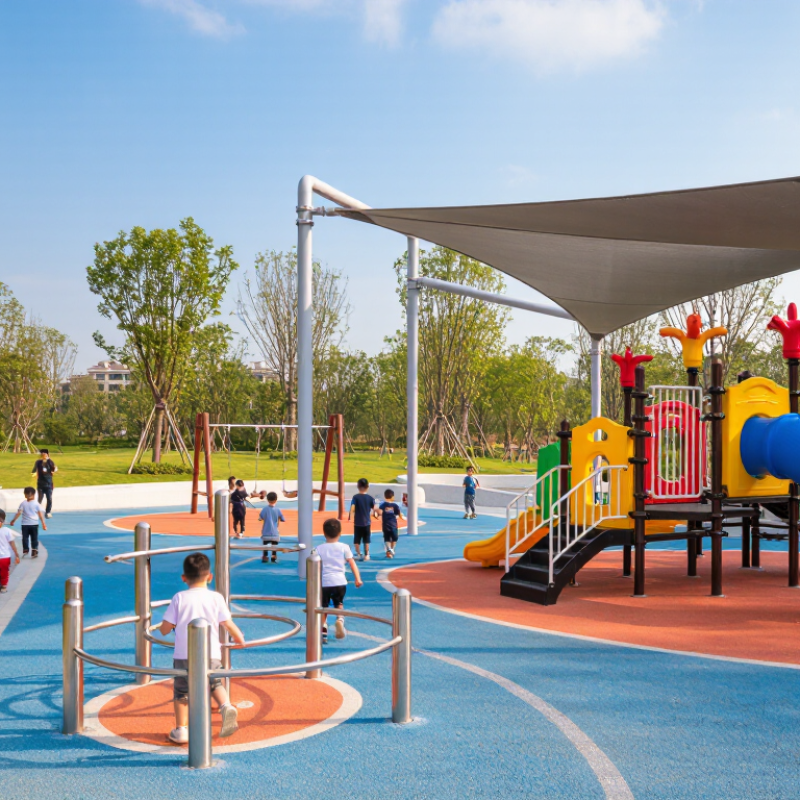
Choosing reliable Playground In The Park equipment suppliers requires more than comparing prices or browsing attractive product photos. A successful public playground must combine safe construction, inclusive design, weather resistance, and meaningful play value. Suppliers should demonstrate documented testing, experienced installation teams, clear maintenance guidance, and dependable after-sales support. These details matter when children run across rubber surfacing, climb warm metal steps, or gather beneath a shaded play tower.
Dr. Joe Frost, a respected playground researcher and author, described play as “a child’s work.” That brief observation remains important for parks worldwide. Equipment should invite movement, imagination, cooperation, and manageable challenge. It should not merely fill an empty space. Leading suppliers understand this difference and develop solutions for toddlers, older children, caregivers, and children with disabilities.
This guide examines top Playground In The Park equipment suppliers across international markets. It considers product quality, material choices, safety practices, customization, sustainability, certifications, and customer experience. Regional climate also deserves attention. Coastal parks may need stronger corrosion protection, while colder regions require materials that remain reliable during freezing conditions.
No supplier is perfect.
Budgets can change. Delivery schedules can slip. Even excellent designs may need local adaptation. Therefore, buyers should verify technical documents, inspect completed projects, and request references before signing contracts. A thoughtful decision protects children, supports park operators, and creates spaces that remain useful for many years. Some recommendations may still require further review, especially where local standards or community needs differ. That honest limitation is part of responsible supplier evaluation.
Public parks need playground equipment that serves many ages, abilities, and activity levels. Suppliers worldwide now provide modular towers, swings, climbing nets, sensory panels, and accessible ramps. Their designs often reflect local climates and community habits. In coastal areas, corrosion-resistant metal and UV-stable plastics matter greatly. In colder regions, materials must tolerate freezing temperatures and repeated thawing.
Reliable suppliers support projects with technical drawings, installation guidance, and maintenance schedules. They should explain load limits, fall zones, surface requirements, and replacement procedures clearly. Independent testing and documented quality controls also help public authorities compare products responsibly. Experienced suppliers usually study the park site before recommending equipment. They consider drainage, shade, pedestrian flow, visibility, and the distance from seating areas. These details affect daily safety more than attractive product images.
Public procurement is not always perfect. A low initial price can hide expensive repairs later. Some buyers may also underestimate inspection work after installation. That deserves reflection. Suppliers should offer spare parts, inspection training, and clear warranty terms without confusing language. Regional distributors can improve communication, but their technical knowledge may vary. Buyers should verify qualifications and inspect previous installations when possible. A strong supplier relationship continues beyond delivery, especially when playgrounds face heavy use, vandalism, harsh weather, or changing community needs.
Top Playground In The Park Equipment Suppliers Worldwide
Key Product Categories and Their Main Uses
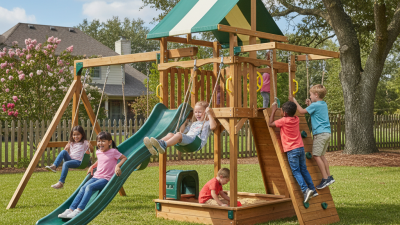
Park playground equipment usually falls into several practical categories. Swings support repetitive movement, balance, and social play. Belt seats suit older children, while enclosed seats offer better support for younger users. Slides encourage climbing, coordination, and controlled risk. They work best with clear landing zones and impact-absorbing surfacing.
Climbing structures include nets, ladders, bridges, and wall panels. They build grip strength, planning skills, and confidence. Multi-play units combine several activities in one compact footprint. This helps parks serve different age groups without overcrowding the site. Spinners and rotating platforms develop spatial awareness, although excessive speed can make supervision difficult.
Inclusive equipment adds transfer platforms, wide ramps, sensory panels, and supportive seats. These features help children with different mobility, communication, or sensory needs play nearby. Water and sand stations encourage creative, open-ended play. They need durable drainage and surfaces that remain comfortable under strong sunlight.
Reliable suppliers should provide tested materials, installation drawings, maintenance schedules, and clear age guidance. Powder-coated steel, treated timber, and UV-resistant plastics each perform differently outdoors. Local climate matters more than many buyers expect. Coastal air, freezing temperatures, and heavy rain can shorten service life.
A useful design may still fail when circulation is ignored. I have seen attractive layouts create awkward crossings between swings and running paths. Regular inspections should check fasteners, cracks, sharp edges, surfacing depth, and drainage. No playground plan is perfect. Good suppliers respond to these findings with practical adjustments, not vague promises.
Swings, slides, climbing equipment and integrated play systems represent the largest global playground equipment categories. Their main uses range from movement and balance development to climbing, coordination, social interaction and imaginative play. The percentages show an indicative worldwide category mix and may vary by region, project type and procurement requirements.
Choosing playground equipment suppliers worldwide requires more than attractive drawings or low prices. Safety begins with standards matched to the installation country and site conditions. Responsible suppliers should provide testing evidence against recognized requirements, such as EN 1176 or ASTM F1487, where applicable. They should explain which version was used. A certificate without clear scope is weak evidence. Experienced buyers verify fall heights, impact-attenuating surfacing, guardrails, handrails, and accessible routes before ordering. Entrapment openings and pinch points deserve close attention. Small gaps can create serious risks.
Material selection affects safety, service life, and maintenance costs. Galvanized or powder-coated steel needs consistent coverage, sealed welds, and corrosion checks. UV-stabilized plastics should resist cracking, fading, and sharp breaks after repeated sun exposure. Timber requires careful treatment, smooth finishing, and regular moisture inspections. Surface temperatures can vary widely by climate and color. Suppliers should disclose material grades, coatings, fasteners, and replacement procedures. Hidden details matter.
Quality control continues after production. Reliable suppliers use batch records, load testing, dimensional checks, and independent inspection when appropriate. Installation manuals should show anchoring depths, torque values, drainage needs, and minimum clear zones. Site teams must inspect equipment after installation and throughout its life. Maintenance logs should record loose bolts, worn ropes, damaged surfacing, and fading labels. No supplier gets every detail right. I would question vague warranties, missing drawings, and promises of “maintenance-free” equipment. Check the anchors. A careful supplier welcomes difficult questions and corrects weaknesses openly.
Global procurement reference for evaluating playground equipment suppliers, safety compliance, materials, and quality controls.
| Market / Supplier Profile | Typical Product Scope | Commonly Specified Safety Standards | Preferred Structural Materials | Surface and Fall-Zone Requirements | Quality and Documentation Requirements | Recommended Supplier Verification |
|---|---|---|---|---|---|---|
| North America | Public-use play structures, swings, slides, climbers, inclusive play units, outdoor fitness equipment, and replacement components. | ASTM F1487 for public-use playground equipment; ASTM F1292 for impact attenuation; ASTM F1951 for accessibility of surface systems where applicable. | Hot-dip galvanized or powder-coated steel, UV-stabilized high-density polyethylene, aluminum, stainless steel hardware, and rot-resistant wood where specified. | Engineered wood fiber, poured-in-place rubber, rubber tiles, synthetic turf with compliant shock pad, or other tested loose-fill systems. Critical fall heights must be matched to certified impact performance. | Engineering drawings, critical-fall-height data, material specifications, corrosion protection details, installation instructions, maintenance schedules, and test reports. | Request independent testing, verify anchoring calculations, inspect welds and coatings, confirm accessible routes, and review spare-parts availability for the intended service period. |
| European Union / EEA | Modular play towers, net climbers, balance equipment, swings, slides, sensory play, accessible play areas, and custom landscape-integrated installations. | EN 1176 series for playground equipment and surfacing; EN 1177 for impact-attenuating playground surfacing. Local procurement rules may add accessibility or building requirements. | Galvanized steel, stainless steel, powder-coated aluminum, high-pressure laminate, UV-resistant polyethylene, EPDM components, and treated or naturally durable timber. | Loose-fill or synthetic surfacing should be tested for critical fall height and maintained at the required depth. Drainage, trip hazards, edging, and accessibility transitions are key design factors. | Declaration of conformity or equivalent technical file, product risk assessment, installation plan, inspection schedule, component traceability, and evidence of conformity with relevant EN standards. | Confirm the applicable EN 1176 parts, obtain product-specific test documentation, review installation competence, and require post-installation and routine inspection procedures. |
| United Kingdom | Traditional and adventurous play equipment, timber play areas, inclusive play zones, rope systems, swings, slides, and bespoke park installations. | BS EN 1176 and BS EN 1177 are commonly referenced for equipment and surfacing, alongside UK-specific inspection and risk-management practices. | Pressure-treated or durable timber, galvanized steel, stainless steel, coated metal, UV-resistant plastics, and impact-resistant rubber components. | Surfacing selection is based on fall height, drainage, accessibility, maintenance conditions, and expected usage. Loose-fill materials require regular leveling and depth checks. | Detailed risk assessment, installation records, inspection and maintenance manuals, timber treatment information, coating specifications, and replacement-part identification. | Check independent post-installation inspection, confirm the competence of installers and inspectors, and review long-term maintenance costs rather than purchase price alone. |
| Australia and New Zealand | Outdoor play systems, water-play equipment, climbing structures, swings, slides, nature-play elements, and equipment designed for high UV exposure. | AS 4685 series for playground equipment and surfacing; AS/NZS 4422 is commonly referenced for impact-attenuating playground surfacing. | UV-stabilized polyethylene, marine-grade stainless steel, galvanized steel, durable hardwoods, aluminum, and weather-resistant coatings. | Impact attenuation, drainage, heat exposure, UV degradation, and loose-fill displacement should be assessed. Surfacing must be appropriate for the specified fall height and climate. | Material certificates, UV and corrosion specifications, structural calculations, installation documentation, inspection records, and evidence of compliance with relevant AS 4685 requirements. | Evaluate accelerated weathering data, corrosion resistance, drainage design, local installation capability, and the supplier’s inspection and maintenance support. |
| Canada | Community playgrounds, school play areas, accessible equipment, winter-resistant structures, swings, slides, and multi-user play systems. | CAN/CSA-Z614 is widely used for children’s playspaces and equipment. Impact-attenuation and accessibility requirements should also be confirmed for the project jurisdiction. | Hot-dip galvanized steel, stainless steel, aluminum, UV-resistant plastic panels, cold-weather elastomers, and durable timber products. | Surfacing must withstand freeze-thaw cycles and maintain impact performance. Drainage, snow removal, compaction, and seasonal displacement are important maintenance considerations. | Structural and anchoring data, winter-use guidance, surface test results, maintenance instructions, corrosion specifications, and component replacement information. | Confirm conformity with the current Canadian standard edition, review cold-climate performance, inspect anchoring for frost conditions, and require a seasonal maintenance plan. |
| Gulf and Hot-Dry Climates | Shade-integrated play areas, compact urban playgrounds, water-resistant play structures, inclusive equipment, and high-use public park systems. | Projects commonly specify EN 1176 or ASTM F1487, subject to the local authority’s requirements and contract specifications. | Marine-grade stainless steel, galvanized steel with high-performance coating, UV-stabilized plastics, aluminum shade structures, and heat-resistant rubber components. | Specify UV resistance, surface-temperature management, shade coverage, sand and dust tolerance, drainage, and impact attenuation under high ambient temperatures. | UV-aging data, coating system details, corrosion protection, temperature limitations, cleaning instructions, water-management plans, and local service capability. | Request climate-specific test evidence, inspect shade and ventilation design, verify coating warranties, and assess the supplier’s ability to provide local spare parts. |
| East and Southeast Asia | High-density urban play systems, compact modular units, school playgrounds, indoor-outdoor equipment, fitness-play combinations, and themed installations. | Requirements vary by country; international projects frequently reference EN 1176, ASTM F1487, or equivalent national standards. | Stainless steel, galvanized steel, aluminum, molded polyethylene, compact laminate, synthetic rope, and corrosion-resistant fasteners for humid environments. | Humidity, rainfall, drainage, mold resistance, corrosion, typhoon exposure where relevant, and surface cleanliness should be included in the design review. | Factory quality-control records, weld inspection, coating thickness data, chemical and material declarations, packaging specifications, and installation supervision documents. | Conduct factory acceptance inspections, verify batch traceability, review humidity and corrosion testing, and require clear bilingual installation and maintenance documentation where necessary. |
| Latin America and Africa | Community park equipment, school playgrounds, low-maintenance play structures, inclusive equipment, sports-play units, and locally adapted designs. | Applicable national regulations differ; public tenders often use EN 1176, ASTM F1487, or other recognized international standards as technical benchmarks. | Galvanized steel, powder-coated metal, UV-resistant polyethylene, concrete foundations, durable timber, and stainless steel or protected carbon-steel hardware. | Prioritize impact attenuation, drainage, UV resistance, vandal resistance, simple maintenance, replacement availability, and suitability for local soil and climate conditions. | Clear bills of materials, structural calculations, foundation details, installation manuals, maintenance training, warranty terms, and documented quality-control checkpoints. | Verify local installation references, inspect foundations and anchoring, confirm replacement-part logistics, and evaluate total lifecycle cost including maintenance and resurfacing. |
| International Export Suppliers | Containerized playground packages, modular systems, custom park layouts, replacement parts, surfacing packages, and project-specific engineering support. | A supplier should identify the exact standard edition used, provide product-specific evidence, and confirm that the design meets the destination country’s legal and procurement requirements. | Materials should be selected according to climate, expected usage, vandal exposure, corrosion category, UV intensity, and availability of local replacement components. | The complete system should include tested surfacing, drainage, accessible routes, edge protection, fall zones, and clearly defined critical fall heights. | Require drawings, bills of materials, risk assessments, test reports, certificates, packing lists, installation instructions, inspection forms, warranty terms, and maintenance manuals. | Use a technical prequalification process covering safety compliance, factory audits, quality systems, delivery history, installation resources, after-sales service, and lifecycle support. |
Universal Supplier Selection Checklist
Confirm the applicable local standard before purchase. Request product-specific test evidence rather than general company claims, verify critical fall height and surfacing performance, review corrosion and UV resistance, confirm accessibility, inspect installation quality, and establish documented routine inspection and maintenance procedures.
Choosing playground equipment suppliers requires more than comparing catalog prices. Look for documented experience with parks, schools, and high-use public spaces. Ask how they test structural strength, surface safety, drainage, and moving parts. Request project photos, installation records, and recent client references.
Specific evidence matters.
Compare service details before discussing customization. A reliable supplier should provide site planning, layout drawings, safety guidance, delivery coordination, and installation supervision. Clarify who prepares the ground and manages inspections. Warranty terms deserve careful attention. Check coverage periods, replacement procedures, response times, and exclusions. Cheap support can become expensive later.
Customization should solve a real site problem, not simply add decoration. Discuss age groups, available space, accessibility, shade, climate, and expected daily use. A good design may include lower platforms, transfer points, textured paths, or quieter sensory elements. Ask for material samples and color-fade information. Also confirm spare-part availability.
I once underestimated maintenance access. It looked minor, but difficult bolt access slowed later repairs. That mistake is worth remembering. Suppliers should explain cleaning routines, inspection intervals, and likely replacement costs. Compare quotations line by line, including freight, foundations, surfacing, assembly, training, and taxes. The strongest proposal is not always the most elaborate. It is the one with clear responsibilities, measurable specifications, and practical support after installation.
Playground equipment suppliers serving parks worldwide are adapting to sharply different regional needs. In North America, buyers often request inclusive layouts, impact-absorbing surfacing, and equipment for mixed age groups. Municipal reviews increasingly examine shade, maintenance access, and replacement parts, not just visual appeal. In Europe, compact urban sites encourage modular structures, natural textures, and quieter play features. Designers also face tighter space planning and strong expectations for accessibility.
In Asia-Pacific, rapid urban growth is driving demand for durable equipment in schools, housing developments, and public parks. Hot, humid climates make UV resistance, drainage, and corrosion control practical priorities. In parts of the Middle East, intense sunlight and limited water availability influence shade design and surface selection. Equipment with cooler-touch materials can improve comfort, but performance depends on installation and local maintenance.
Latin American and African markets show varied procurement conditions. Some cities prioritize robust steel frames and simple replacement systems, while others invest in themed, community-centered play areas. Supplier reliability should be tested through installation records, safety documentation, load testing, and after-sales support. A polished catalog proves little. Site visits reveal more. Not every site succeeds. One recurring weakness is underestimating inspection budgets after installation. Even well-designed equipment can deteriorate when drainage is poor or fasteners are ignored. Regional expertise matters because climate, user behavior, and municipal standards rarely align neatly.