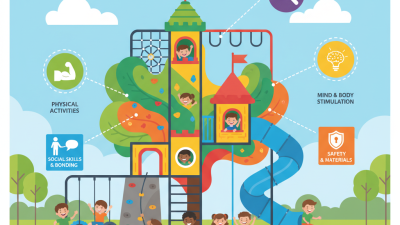
China Top 10 Outdoor Play Structures for Kids in 2026?
As we look forward to 2026, the importance of outdoor play structures for kids has never been greater. These structures provide essential opportunities for physical activity and social interaction. They contribute to children's overall development, enhancing their creativity and problem-solving skills.
In China, outdoor play structures are evolving rapidly. Manufacturers are focusing on safety, innovation, and engagement. These structures are no longer just swings and slides; they incorporate climbing walls, obstacle courses, and sensory gardens. Each design encourages children to explore their environment while playing.
However, not every outdoor play structure is perfect. Some may lack adequate safety features or fail to engage children fully. Parents and educators must carefully evaluate options. Choosing the right outdoor play structure is crucial for fostering a healthy, active lifestyle in children. It is a decision that impacts their happiness and development.
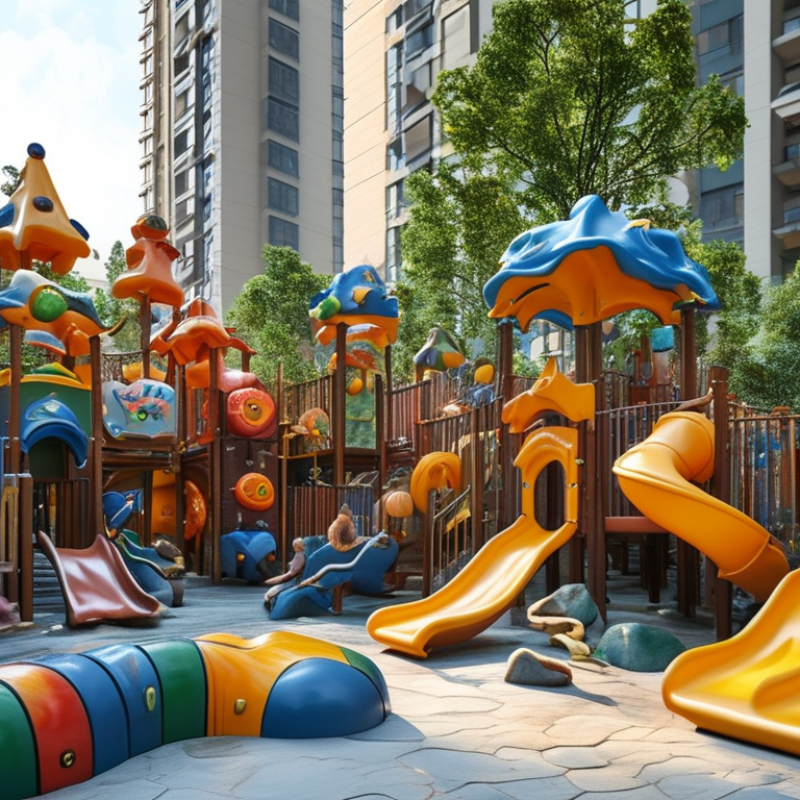
China's Leading Trends in Outdoor Play Structures for Kids in 2026
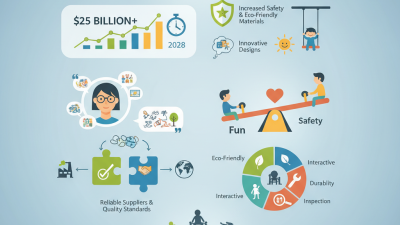
In 2026, outdoor play structures for kids in China are set to evolve. Eco-friendly materials will lead the way, reflecting the growing awareness of sustainability. Structures will blend with nature, creating natural play environments. Parents are increasingly appreciating designs that foster creativity, imagination, and exploration.
Children crave active, physical play. Designs that challenge their abilities are vital. Outdoor structures will incorporate climbing walls and multi-level play areas. These features boost strength and coordination. Imagining a garden with a climbing treehouse or a sandy excavation site can ignite a child’s curiosity.
Tips: Engage kids in choosing the outdoor structures. Involve them in the decision-making process. Ensure safety measures are a priority. Regular maintenance checks are crucial. Clean and inspect equipment frequently to guarantee a safe play experience.
In this inventive landscape, flexibility will be important. Structures should adapt to various social interactions. Spaces that welcome diverse play styles will promote friendship and teamwork. Spaces built for collaboration can spark new learning experiences for kids. Constructing these inclusive areas will require thoughtful input from parents, educators, and designers.
Innovative Designs Shaping Children's Outdoor Play Experiences
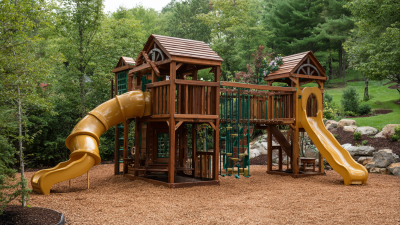
Innovative outdoor play structures are transforming children’s experiences in China. In 2026, these designs focus on enhancing creativity and engagement. Structures now incorporate nature, technology, and social interaction, catering to diverse interests. Kids can explore climbing walls that mimic real rock formations. They can also enjoy slides that spiral and weave through trees, blending play with the natural environment.
These innovations are not without challenges. Some structures may be too complex for younger children. Design teams must consider age appropriateness in their creations. Additionally, there’s a need for safety protocols. While engaging play is essential, ensuring a secure environment is paramount. There's also a fine balance between physical activity and screen time. Encouraging kids to play outside should spark joy, not pressure.
Colors and shapes play a significant role in these designs. Bright hues attract attention, while unique shapes stimulate imagination. However, over-saturation of features can overwhelm children. Striking a balance between creativity and simplicity is crucial. Designers must listen to feedback from educators and parents. Only then can they refine their concepts for the best experience possible.
Top 10 Outdoor Play Structures for Kids in 2026
Safety Standards and Regulations for Outdoor Play Equipment in China
In recent years, outdoor play structures for kids have gained immense popularity in China. As these structures become a staple in parks and playgrounds, understanding safety standards and regulations is crucial. Authorities emphasize that equipment must meet specific safety requirements. These include material quality, structural stability, and age-appropriate designs.
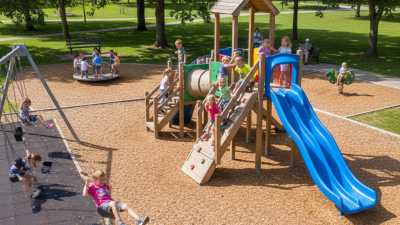
Regulatory bodies are continuously revising guidelines. They aim to adapt to evolving safety concerns. For instance, many structures must have soft surfaces underneath to cushion falls. Regular inspections are also essential. Inspectors assess wear and tear and ensure compliance with safety codes. Parents often overlook these regulations, which can impact children's safety.
Despite the focus on safety, some gaps remain. Older playgrounds might not meet current standards. There are also regional variations in enforcement, causing discrepancies. Awareness of local regulations is vital for parents and educators. As outdoor play continues to evolve, staying informed about safety measures is critical for child welfare.
The Impact of Technology on Outdoor Play Structures for Children
As we move into 2026, outdoor play structures are evolving significantly. Technology plays a crucial role in this transformation. Interactive elements, such as augmented reality, engage children in new ways. Kids can explore digital landscapes while physically climbing and swinging. These experiences can enhance imaginative play, making outdoor time more appealing.
However, reliance on technology brings challenges. While high-tech features attract children, they may distract from traditional play. Kids might miss the simple joys of climbing trees or playing tag. Balancing technology with natural play is vital. Parents and educators need to consider this aspect carefully. Playground designs must encourage both tech and traditional interactions.
Moreover, safety remains a prominent concern. Advanced materials can offer durability but may also introduce risks. It's essential to ensure that tech elements don’t compromise safety standards. A thoughtful approach is necessary to create an enriching play environment. As technology advances, our focus should remain on fostering healthy outdoor experiences for children.
China Top 10 Outdoor Play Structures for Kids in 2026 - The Impact of Technology on Outdoor Play Structures for Children
| Rank |
Structure Type |
Technology Integration |
Safety Features |
Sustainability |
Age Range |
| 1 |
Multi-level Climbing Frame |
Interactive LED Elements |
Enclosed Safety Netting |
Recycled Materials |
3-12 years |
| 2 |
Smart Slide |
AR Features for Learning |
Impact-Absorbing Floor |
Eco-friendly Paint |
2-8 years |
| 3 |
Musical Play Structure |
Sound Sensors |
Rounded Edges |
Solar Panels |
1-7 years |
| 4 |
Virtual Reality Game Area |
VR Equipment |
Soft Play Zones |
Biodegradable Materials |
8-14 years |
| 5 |
Augmented Reality Sandbox |
AR Enhanced Play |
Non-Toxic Materials |
Natural Resource Use |
4-10 years |
| 6 |
Nature Exploration Zone |
App-Based Guides |
Safe Natural Materials |
Sustainable Engineering |
3-12 years |
| 7 |
Fitness Adventure Course |
Fitness Tracking |
Durable Construction |
Recyclable Parts |
6-14 years |
| 8 |
Interactive Water Play System |
Smart Flow Control |
Splash Safety Zones |
Water Conservation Features |
2-10 years |
| 9 |
Nature Playground |
Botanical Learning Stations |
Natural Material Use |
Locally Sourced Wood |
4-12 years |
| 10 |
Inclusive Play Structure |
Adaptive Technologies |
Universal Design Safety |
Accessibility-Centric |
All Ages |
Sustainable Materials and Eco-Friendly Practices in Playground Construction
Sustainable playgrounds are gaining popularity. In 2026, eco-friendly practices will shape outdoor play structures. Schools and communities are committed to creating green spaces. They aim to provide safe and enjoyable environments for children.
Using sustainable materials is crucial. Recycled plastics are often used in slides and climbing frames. Natural wood from responsibly managed forests can create unique play areas. These choices not only protect the planet but also inspire creativity. Children learn from nature while playing with eco-friendly structures.
Tips for designing sustainable play areas include involving the community in planning and maintenance. Gather feedback from local families. Encourage kids to take part in green projects. Choose durable materials that require less maintenance. Lastly, prioritize safety by considering the age group and developmental needs of the children. Keeping these aspects in mind fosters a healthier environment for outdoor fun.
 +86-13901441113

 CONTACT NUMBER
 CONTACT NUMBER