How to Choose the Best Outdoor Play Structure for Kids Guide?
Choosing the right Outdoor Play Structure for kids can be a challenging task. With so many options available, parents may feel overwhelmed. It's crucial to select a structure that not only entertains but also promotes physical activity and social interaction.
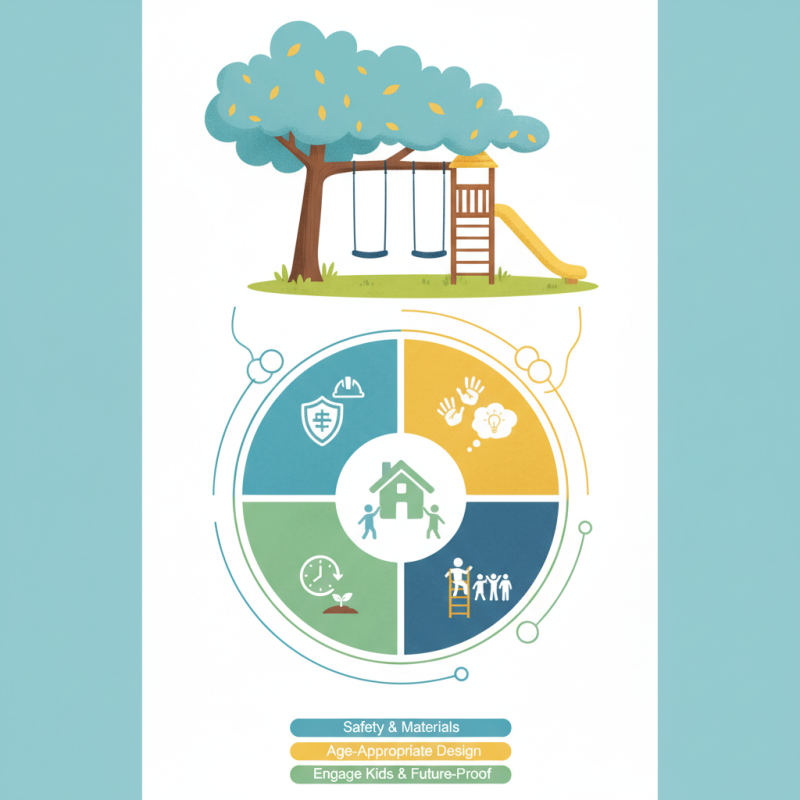
When evaluating different designs, consider safety features and materials. Look for sturdy construction that can withstand the elements and daily use. A reliable Outdoor Play Structure should also have age-appropriate components. This ensures kids can explore without unnecessary risks. However, not all structures are created equal, so don’t rush the decision.
Engage your children in the selection process. Their preferences matter. Yet, remember that their interests may change. It’s essential to balance their desires with practical considerations. Ultimately, investing time and thought into this choice can lead to lasting joy and development for your kids.
Understanding the Different Types of Outdoor Play Structures Available
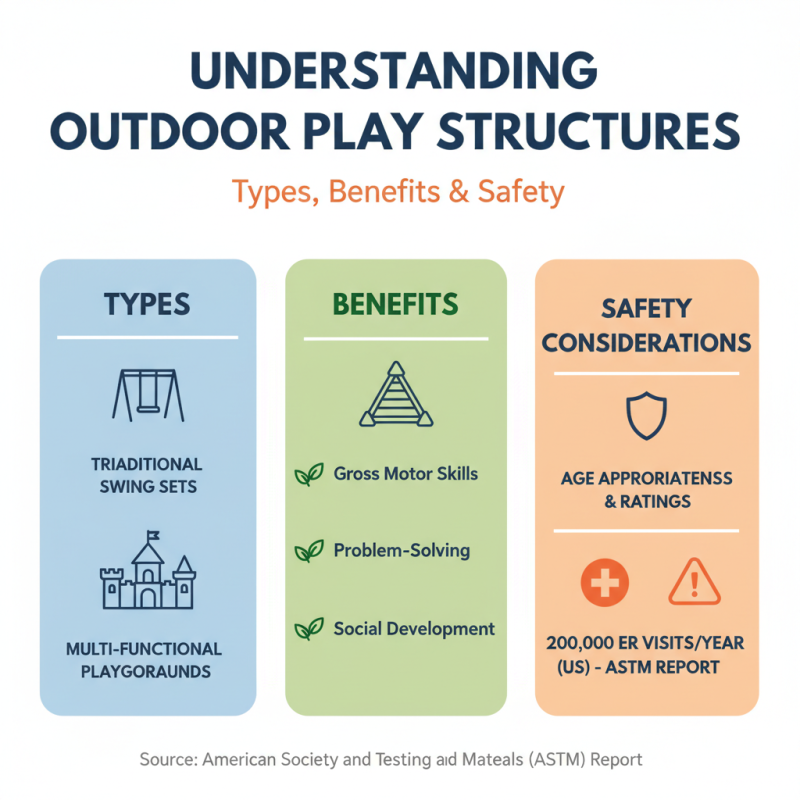
When considering outdoor play structures, parents face various options. There are traditional swing sets, climbing frames, and multi-functional playgrounds. Each type offers unique benefits. According to a report by the American Society for Testing and Materials, around 200,000 children visit emergency rooms annually due to playground injuries. Understanding the safety ratings and age appropriateness of each type is vital.
Swing sets provide classic fun but require ample space. They work well for different age groups. In contrast, climbing structures engage kids physically and mentally. They help develop coordination and strength. A National Recreation and Park Association study notes that play structures improve social skills through interactive play. However, some might argue that these structures can limit creativity if not designed with variety.
Multi-functional playgrounds combine swings, slides, and climbing walls. They offer diverse play experiences. Studies have shown that children are more active in such environments. Yet, the cost can be a concern. Balancing budget and safety is crucial. Research from the Centers for Disease Control and Prevention highlights the importance of durable materials. Choosing the right outdoor play structure requires thoughtful consideration of children’s needs and safety measures.
Assessing Safety Features for Children's Play Structures
When choosing an outdoor play structure, safety features are crucial. According to the Consumer Product Safety Commission, around 200,000 children are treated for injuries related to playground equipment each year. Selecting the right play structure can significantly reduce these risks.
Look for features such as soft landing surfaces. Materials like rubber mulch or sand can absorb shock. Ensure the structure has rounded edges to prevent cuts or scrapes. Additionally, check for sturdy construction. A solid design helps prevent tipping or collapse during play.
Inspect guardrails and barriers. They should be at least 30 inches high for preschool structures. Adequate spacing between rungs and platforms will help prevent falls. Regular maintenance checks are essential, too. Leaking screws or worn-out components can compromise safety. Always choose materials that are weather-resistant. This can ensure durability for years. Remember, even the safest structure requires supervision. Engaging with children while they play boosts overall safety and enjoyment.
Evaluating Age-Appropriate Options for Kids’ Outdoor Activities
When evaluating outdoor play structures for children, age appropriateness is crucial. Different age groups have varying needs and safety considerations. For toddlers, choose smaller slides and swings designed for their size. These structures should have lower heights and protective barriers to ensure safety. Features like crawl spaces or tunnels can stimulate imaginative play at this age.
For preschoolers and older children, consider more complex structures. Climbing walls and multi-level playhouses encourage physical activity and social interaction. However, safety remains a top priority. Ensure that the materials used are durable and free from sharp edges. Regular maintenance checks are also essential to address wear and tear.
In assessing your choices, reflect on your child's interests. They may gravitate towards climbing or prefer slides. Sometimes, kids may not engage with the chosen structure as expected. Observing them during play can help in making better decisions. Engage them in the selection process to foster excitement and ownership over their playtime. This collaboration can lead to meaningful outdoor experiences for your children.
Considering Space and Installation Requirements for Your Yard
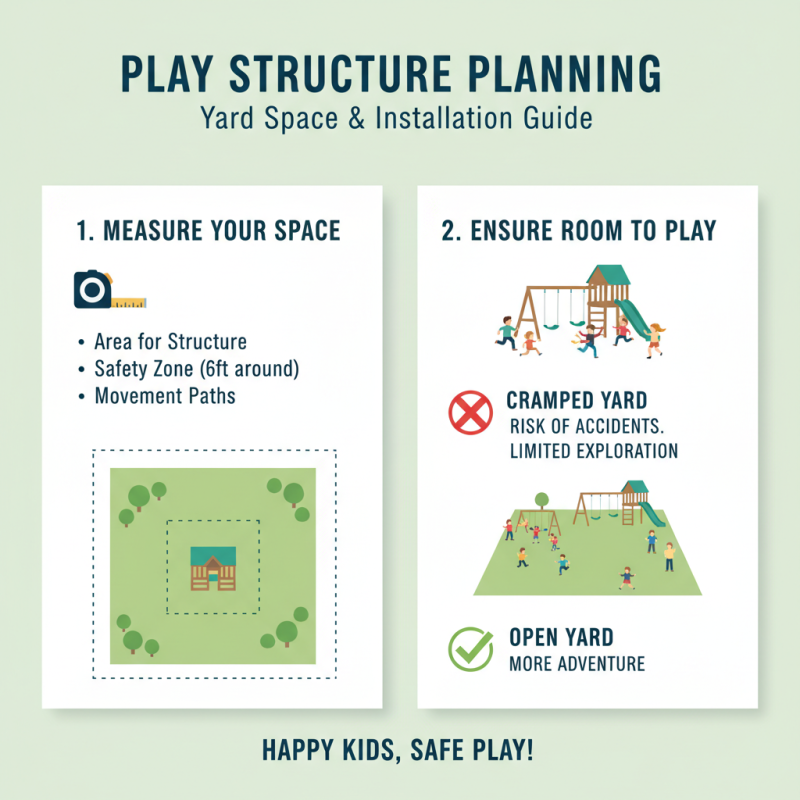
When selecting an outdoor play structure for kids, it’s essential to consider your yard's space and installation requirements. Measure the area where you plan to install it. Make sure there is enough space around the structure for safety and movement. A cramped yard can lead to accidents. An open area allows kids to explore and enjoy their playtime.
Consider the type of terrain in your yard. Is it flat, sloped, or uneven? Installing play structures on a slope can be challenging. Additionally, think about ground cover. Soft materials like grass or mulch can help cushion falls. If the surface is hard, injuries may occur more frequently. You might want to level the ground or add padding to ensure safety.
Accessibility is another factor. Make sure your selected location is easily reachable for supervision. Things may become impractical if you have to navigate around obstacles. Also, evaluate if there are utility lines or roots beneath the ground. Some installations may need extra work, so plan ahead. These details directly impact the structure’s safety and your kids' enjoyment.
Budgeting for Quality and Longevity in Play Equipment Choices
When choosing an outdoor play structure for kids, budgeting is critical. Quality play equipment should offer both safety and durability. A well-made structure can last for years, providing endless joy. However, investing in cheaper options might save money initially. But, those may lead to safety hazards and rapid deterioration.
Tips: Evaluate the materials used in play structures. Look for strong, weather-resistant materials. They may cost more upfront but can save money on maintenance. Research the manufacturer's reputation. Ensure they have experience and expertise in producing safe equipment.
It's also wise to consider the warranty offered. A long warranty is a good indicator of quality. This reflects the manufacturer’s confidence in their product. Allocating a bigger budget from the start may be challenging. But shifting funds away from less important items can help.
Investing in top-tier play equipment requires careful thought. Sometimes, prioritizing short-term savings leads to long-term regrets. Parents must balance immediate needs with future fun.
How to Choose the Best Outdoor Play Structure for Kids Guide? - Budgeting for Quality and Longevity in Play Equipment Choices
| Feature |
Description |
Average Cost ($) |
Lifespan (Years) |
| Materials |
Constructed from wood, plastic, or metal. |
300 - 1500 |
10 - 20 |
| Size |
Options for small, medium, or large areas. |
500 - 3000 |
10 - 15 |
| Safety Features |
Includes soft fall zones, rounded edges. |
200 - 1000 |
10 - 20 |
| Customization |
Potential for personalized themes and colors. |
500 - 2000 |
10 - 15 |
| Assembly |
Requires professional setup vs DIY options. |
100 - 500 |
N/A |
 +86-13901441113

 CONTACT NUMBER
 CONTACT NUMBER