Top Tips for Choosing the Best Outdoor Playground Sets?
When selecting Outdoor Playground Sets, it’s crucial to consider various factors that enhance playtime for children. Research by the American Academy of Pediatrics indicates that engaging in outdoor play fosters physical health, creativity, and social skills among kids. With childhood obesity on the rise, providing safe and stimulating environments is more important than ever.
Experts recommend durable materials and safe designs for Outdoor Playground Sets. According to the International Playground Equipment Manufacturers Association (IPEMA), equipment should meet strict safety standards. This is vital to reduce the risk of injuries during play. However, not all sets may adhere to these guidelines, which poses a challenge for parents and caregivers.
Moreover, budget constraints can often lead to hasty purchases, potentially compromising quality. While appealing visuals attract attention, practicality must be prioritized. Pay close attention to important details, like age-appropriateness and maintenance requirements. By being vigilant and informed, you can make a choice that ensures both safety and fun for children.
Understanding the Different Types of Outdoor Playground Sets
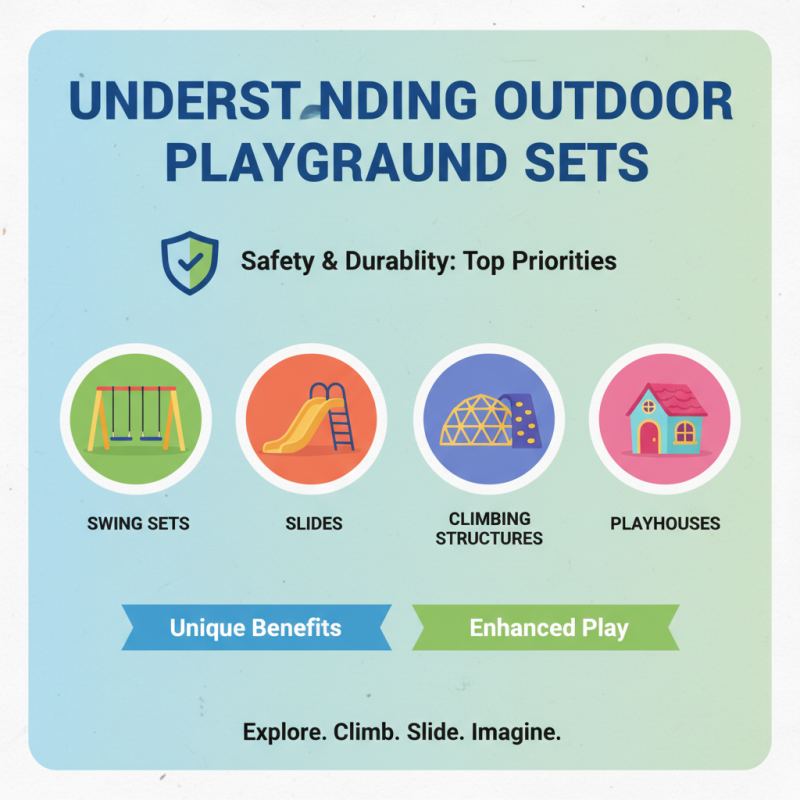
When exploring different types of outdoor playground sets, safety and durability must be top priorities. There are several common styles, including swing sets, slides, climbing structures, and playhouses. Each type offers unique benefits to enhance children's play experiences.
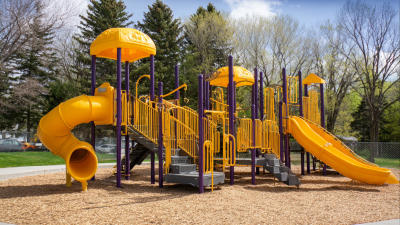
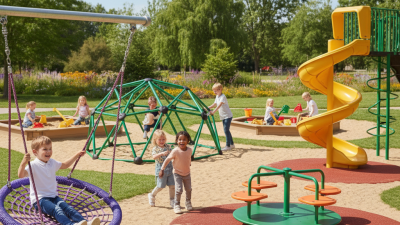
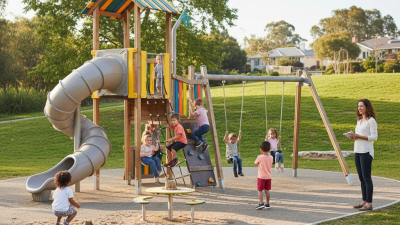
Swing sets come with various attachments, encouraging active play and social interaction. They are perfect for developing balance and coordination. Slides can range from simple designs to more complex ones with twists and turns. These elements are exciting for kids and can promote physical activity as they climb and slide repeatedly.
When choosing a playground set, consider the age and interests of your children. Older kids may prefer climbing walls or obstacle courses, while younger children might enjoy simpler structures. Pay attention to material quality; wood is sturdy but may require maintenance, while metal options often last longer.
Evaluate the intended space for installation. Make sure there’s enough room for safe play, including sufficient fall zones. Ensuring the ground surface is soft—using mulch or rubber mats—can help minimize injuries. Always check the assembly instructions. Some sets may seem simple but could require a more complex setup than anticipated.
Evaluating Age Appropriateness for Playground Equipment
When selecting outdoor playground sets, age appropriateness is crucial. Equipment designed for specific age groups helps ensure safety and enjoyment. According to the Consumer Product Safety Commission (CPSC), nearly 200,000 children visit emergency rooms each year due to playground-related injuries. Many of these incidents occur when kids use equipment not suited for their developmental stage.
For toddlers, playground sets should prioritize low platforms and soft materials. Equipment must foster imaginative play and fine motor skills. The American Academy of Pediatrics (AAP) suggests using age-appropriate structures to minimize risks. In contrast, school-age children require more complex equipment. They benefit from climbing structures and slides that encourage both physical and social interaction. Age divisions in playgrounds effectively manage risks, ensuring younger children play safely.
Also, not every playground is well-designed. Some sets combine equipment for multiple ages, which can lead to dangerous situations. Observing how children interact with various playground structures is essential. Playgrounds lacking adequate supervision can amplify risks. It's important to regularly assess and adjust equipment configurations to match children's evolving capabilities. Careful consideration of age appropriateness can create safer, more engaging play environments.
Materials and Safety Standards in Playground Set Design
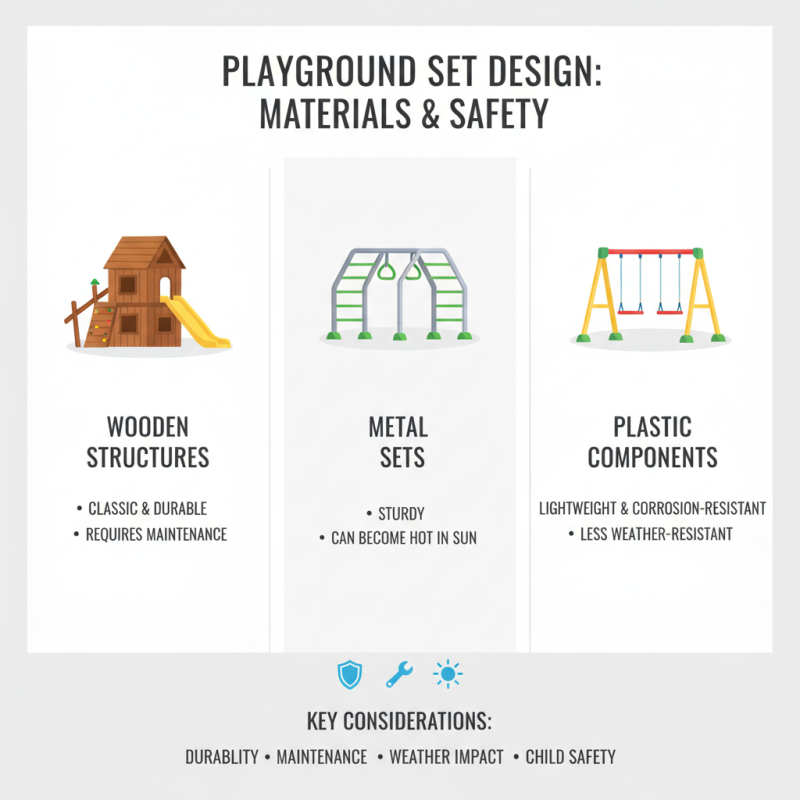
When selecting outdoor playground sets, the material and safety standards are crucial factors to consider. Wooden structures often provide a classic aesthetic and durability but may require regular maintenance to prevent wear. Metal sets, while sturdy, can become hot in sunny conditions. Plastic components are lightweight and corrosion-resistant but might not withstand harsh weather as well. Each material comes with its own set of advantages and disadvantages, impacting play experienc and longevity.
Safety standards are non-negotiable. Look for playground sets that comply with ASTM and CPSC guidelines. These standards ensure that the equipment is designed to reduce injury risks. Inspect safety features like rounded edges and a sturdy base. Additionally, consider the surface underneath. Soft materials like rubber mulch or foam mats can cushion falls. It's easy to overlook these details, but they significantly influence children's safety during playtime.
Parents should also reflect on their children’s age and play habits. A set too complex for younger children can lead to accidents. Conversely, equipment that lacks challenges may fail to engage older kids. Finding the right balance is essential, as a safe playground should also stimulate growth and exploration. This ongoing process of evaluation ensures a beneficial environment for all kids.
Considerations for Space and Layout in Your Backyard
When choosing an outdoor playground set, space and layout in your backyard are crucial factors. Consider the size of your yard. A cramped area can restrict movement and limit fun. Measure the space carefully. Consider other elements, such as trees or fences, that may impact the selection.
It's essential to create a layout that promotes safety and accessibility. Make sure there's enough room around the playset for children to run and play freely. You might want to leave a buffer zone of at least six feet on all sides. This space allows for easy access to the set and can prevent accidents. Think about where the sun hits your yard during different times of the day. Shade can help protect children from overheating.
Reflect on how your kids will use the playset. Will they enjoy climbing, sliding, or swinging? Consider these activities when planning the layout. Space for each activity should not feel overcrowded. Lastly, don’t forget to think about future growth. Children grow quickly, and their needs change. A well-planned layout today may need adjustments tomorrow.
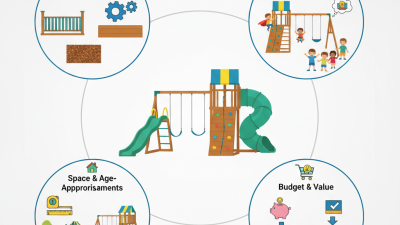
Top Tips for Choosing the Best Outdoor Playground Sets
| Dimension |
Consideration |
Details |
| Space Available |
Measurement |
Measure your backyard to determine how much space you have for playground equipment. |
| Layout |
Zoning |
Decide on zones for different activities (e.g., swings, slides, sandbox) for organized play. |
| Safety |
Surface Material |
Consider using mulch, sand, or rubber mats to cushion falls. |
| Age Range |
Suitability |
Choose equipment that is appropriate for the age of children who will use it. |
| Materials |
Durability |
Select high-quality materials like wood, metal, or heavy-duty plastic that can withstand the elements. |
| Budget |
Affordability |
Establish a budget to guide your selection and avoid overspending. |
Budgeting for Quality: Cost vs. Value in Playground Sets
When budgeting for outdoor playground sets, it's crucial to consider both cost and value. A low price might seem appealing, but it often leads to compromises in safety and durability. Investing a bit more can yield a sturdy set that withstands years of play. Many parents overlook the long-term benefits of quality materials. A playground should not only be fun but also safe for children.
It's common to find cheaper options, but they might require constant repairs or replacements. For example, a set made from subpar plastic may crack easily, endangering kids. Reflect on how quickly repairs can add up. A wise investment can save money over time. It's also beneficial to think about the growth of your family. Will the set accommodate different age groups? Consider this before making a decision.
Understand that aesthetics play a role too. A vibrant, well-designed playground set attracts kids. However, do not sacrifice quality for appearance. Seek a balance between looks and functionality. While you might be tempted by flashy features, consider the core purpose – fun and safe play. Always prioritize the well-being of children when making choices.
Top Tips for Choosing the Best Outdoor Playground Sets
This chart illustrates the key criteria to consider when selecting outdoor playground sets, rated from 1 to 10 on their importance. Safety features are paramount, followed closely by the quality of materials, while assembly complexity is rated lower compared to other factors.
 +86-13901441113

 CONTACT NUMBER
 CONTACT NUMBER