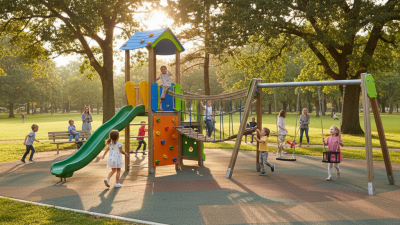
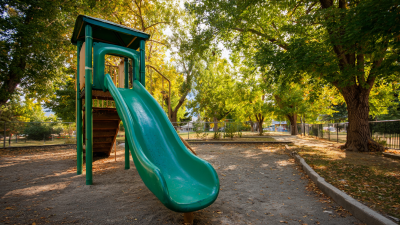
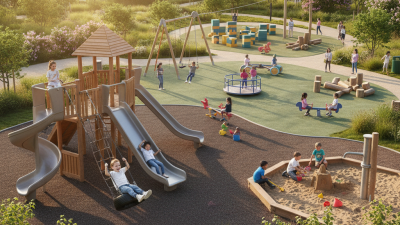
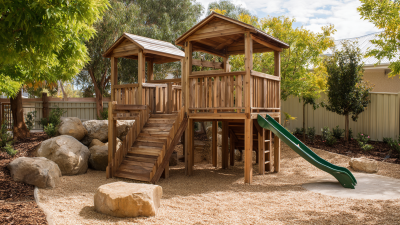
Best Outdoor Play Structures for Kids What to Consider?
When it comes to choosing the best outdoor play structures for kids, expert insights are invaluable. Dr. Emily Johnson, a child development specialist, emphasizes, “The right play structure not only entertains but also fosters essential skills.” Parents want safe and engaging options. Yet, the market presents overwhelming choices.
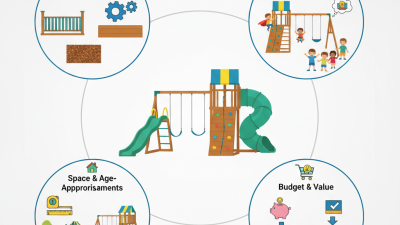
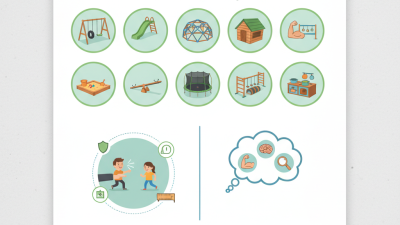
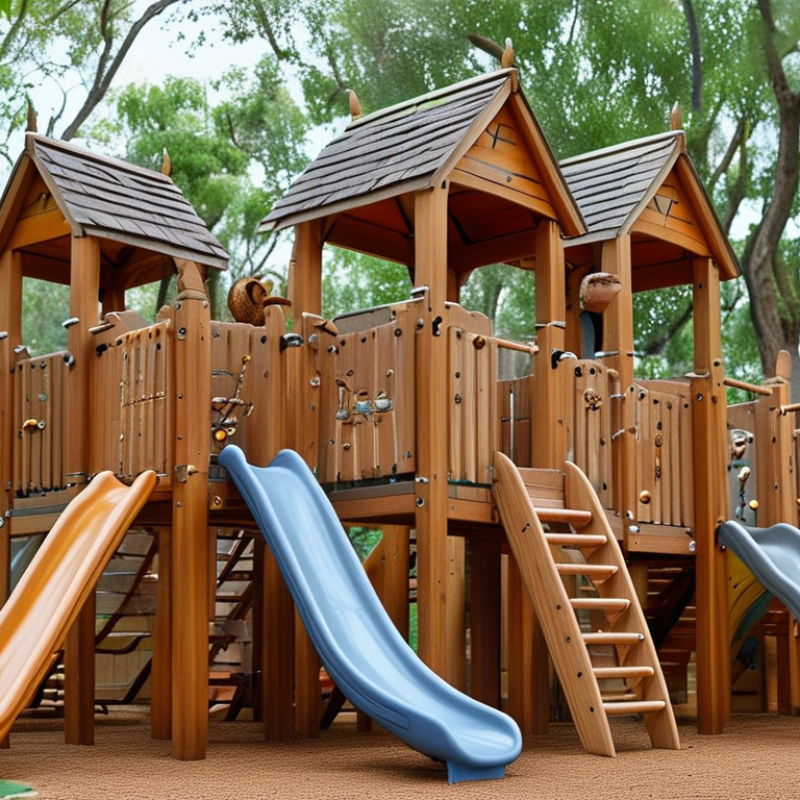
Outdoor play structures come in various forms. From slides to climbing walls, each has unique benefits. Parents often want to balance fun with safety. Factors such as material quality, age appropriateness, and safety certifications are crucial. A sturdy structure can withstand vigorous play, but the details matter.
Choosing an outdoor play structure is not just about aesthetics. It's a chance to enhance physical and social skills. Reflecting on what your child truly needs can lead to better decisions. Remember, what works for one child may not suit another. Take the time to evaluate options thoroughly.
Best Outdoor Play Structures for Kids: Essential Factors to Consider
When choosing outdoor play structures for kids, safety is paramount. The Consumer Product Safety Commission (CPSC) reported that over 200,000 children visit emergency rooms annually due to playground injuries. Opting for equipment that meets safety standards is crucial. Look for soft edges, sturdy materials, and weather-resistant designs to minimize risks.
Another important factor is age appropriateness. Play structures should cater to various age groups. According to the American Academy of Pediatrics, children aged 2-5 need different experiences than older kids. Structures should encourage cognitive and physical development without overwhelming younger users. Having separate zones for different age groups enhances safety and enjoyment.
Space is also a key consideration. The National Recreation and Park Association recommends ample space for movement. Play structures should allow for free play without crowding. Parents must assess their yard size and available landscape before purchasing. Too small a space can limit play, while excessively large equipment may pose safety concerns. Each element needs careful consideration to create a balancing act of fun and safety.
Age Appropriateness: Selecting Structures for Different Developmental Stages
When selecting outdoor play structures, age appropriateness is crucial. Children develop differently, and their play needs change over time. A report from the American Academy of Pediatrics suggests that play structures should align with a child's developmental stage. For toddlers, structures should focus on safety and simple activities. Climbing, sliding, and swinging can encourage gross motor skills. Equipment designed for this age should be low to the ground for easy access and reduced risk of injury.
For preschoolers, the play structure can introduce more complex challenges. Research from the National Association for Sport and Physical Education highlights the importance of imaginative play. Structures that promote creativity, like forts or obstacle courses, can stimulate cognitive growth. Parents should also consider the social aspect. Play structures that accommodate multiple children can enhance social skills and teamwork.
**Tips:** Ensure the surface under play structures is soft. Materials like rubber mulch or grass can help prevent injuries. Involve children in the selection process. Their preferences can lead to more engagement and enjoyment. Examine the structure regularly for wear or instability to maintain safety. Adjustments might be necessary as children grow, affecting their play experiences.
Best Outdoor Play Structures for Kids: Age Appropriateness
| Age Group |
Recommended Structure Types |
Key Features |
Safety Considerations |
| 1-2 Years |
Sandbox, Small Climbers |
Soft edges, Low height |
Non-toxic materials, Supervision required |
| 3-5 Years |
Playhouses, Slides, Swings |
Interactive features, Colorful designs |
Stable base, Regular maintenance |
| 6-8 Years |
Treehouses, Larger slides, Climbing frames |
Higher heights, More complex structures |
Secure anchoring, Check for rust or damage |
| 9+ Years |
Obstacle Courses, Fitness Structures, Zip Lines |
Challenging tasks, Varied activities |
Adult supervision recommended, Safety gear for high elements |
Safety Standards: Understanding ASTM and CPSC Regulations for Play Equipment
When selecting outdoor play structures for kids, understanding safety standards is critical. Two key regulatory organizations are ASTM International and the Consumer Product Safety Commission (CPSC). ASTM sets comprehensive standards for playground equipment, focusing on material integrity and design safety. According to a study by the National Program for Playground Safety, inadequate safety measures lead to thousands of ER visits each year.
Parents should ensure the equipment meets ASTM specifications. CPSC guidelines emphasize maintenance and proper installation. Regular inspections can prevent accidents. A report by the CPSC indicates that nearly 200,000 children visit hospitals annually due to playground injuries. Many of these incidents arise from poorly designed or maintained structures.
Tips: Choose age-appropriate equipment. The right size can prevent falls. Always read safety instructions before installation.
Also, consider the environment. Uneven surfaces or hard ground can increase risk. Soft landing zones, like mulch or rubber mats, provide better protection. Being aware of these factors can greatly enhance your child's play experience while prioritizing safety.
Material Choices: Evaluating Durability and Maintenance of Play Structures
When choosing outdoor play structures, material selection is crucial. Different materials offer varying levels of durability and maintenance requirements. For instance, wood is a popular choice for its natural aesthetic. However, untreated wood can rot over time. A 2022 report from the American Society for Testing and Materials suggests that pressure-treated wood can extend the lifespan of play structures.
Metal options, such as aluminum and steel, provide high durability but can become hot under direct sunlight. They also require rust protection to ensure longevity, adding to maintenance tasks. Studies indicate that metal structures often last longer in harsh weather. However, they can be prone to scratches that may compromise safety.
Tips: Regularly check for wear and tear. Look for splintered wood or chipped paint. Don’t overlook small signs of damage. Repairs can prevent larger issues later. Consider child safety features, like rounded edges, regardless of material. Always prioritize safety and longevity when making a choice.
Space Requirements: Calculating Needed Area for Safe Play and Installation
Selecting the right outdoor play structure requires careful consideration of space requirements. According to the American Society for Testing and Materials (ASTM), a minimum area of 6 feet around each structure is essential for safe play. This space ensures that children have room to run and fall without hitting obstacles such as fences or walls. For instance, if the playset is 10 feet wide, the total area required could be around 1,200 square feet.
In addition to the immediate space around the structure, evaluating the ground surface is crucial. The National Program for Playground Safety suggests using materials like mulch or sand, which can absorb impact. A depth of 12 inches is often recommended to maximize safety. However, this deeper surface can increase zone requirements significantly. Parents should also consider the layout of their yard. Irregular shapes or existing landscaping might complicate installation and safety compliance.
Finally, it's important to reflect on the evolving needs of children. As kids grow, their play dynamics can change dramatically. Play structures that seem adequate for toddlers may feel restrictive as they approach school age. Therefore, investing in a versatile structure might require larger initial space calculations. Reassessing space requirements over time can help maintain a suitable environment for active play.
Conclusion
When choosing the best outdoor play structures for kids, several essential factors must be considered to ensure a safe and enjoyable experience. First, age appropriateness is crucial, as different developmental stages require specific types of equipment to promote physical and cognitive growth. Additionally, understanding safety standards laid out by organizations like ASTM and CPSC helps parents select play structures that adhere to regulations, minimizing risk of injury.
Material choices play a significant role in the durability and maintenance of outdoor play structures, while space requirements must be accurately calculated to provide a safe area for children to play and explore. Lastly, budgeting is an important aspect, as families should analyze cost-effective options without compromising on quality. By considering these factors, parents can make informed decisions that enhance their children's outdoor play experiences.
 +86-13901441113

 CONTACT NUMBER
 CONTACT NUMBER