Top 10 Playground Designs for Kids Safety and Fun?
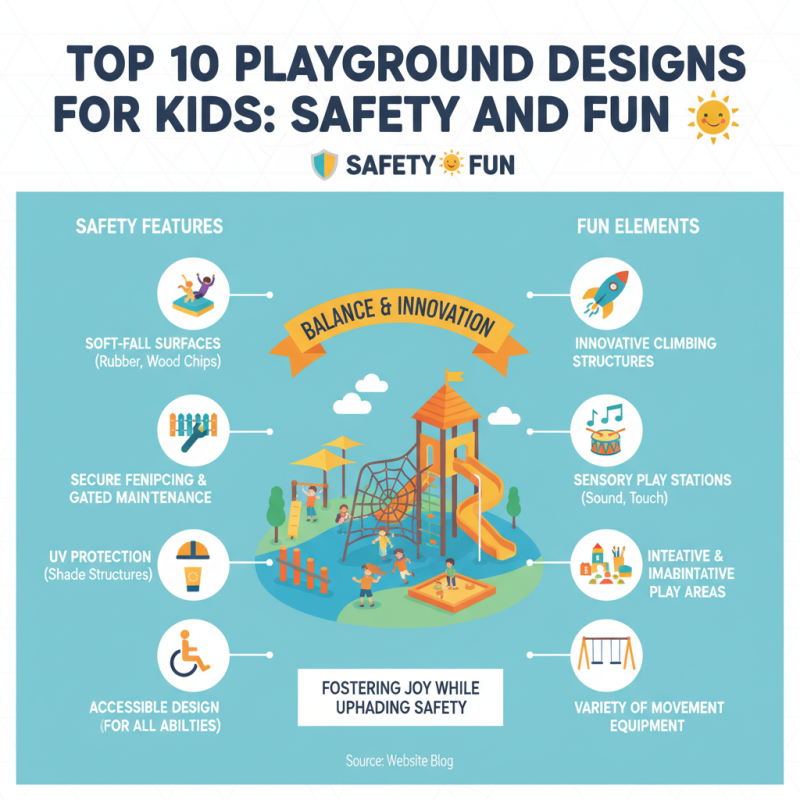
When it comes to children’s play areas, safety and fun are paramount. The "Top Playground" designs balance creativity and security, enticing kids to explore and learn. These spaces should invite imaginative play while ensuring safe environments.
Modern playgrounds incorporate innovative equipment. Soft surfaces, climbing structures, and sensory elements engage children of all ages. Yet, not all designs prioritize safety equally. Some popular playgrounds may overlook important features that prevent accidents.
It's important to reflect on the experience. Are these playgrounds accessible to all children? Do they encourage social interaction? As we explore the "Top Playground" designs, let's consider how they can foster joy while upholding safety.
Innovative Safety Features in Modern Playground Designs
Playground safety has evolved significantly. Modern designs incorporate innovative safety features that protect children while enhancing their play experience. A report from the American Academy of Pediatrics states that over 200,000 children visit the emergency room each year due to playground injuries. This statistic highlights the need for safer playground environments.
One essential feature is the use of impact-absorbing surfaces, like rubber mats or engineered wood fiber. These materials can reduce fall-related injuries by over 50%. Moreover, inclusive designs that accommodate children of all abilities are gaining traction. Studies indicate that inclusive play areas lead to improved social skills among children with disabilities. However, challenges remain. Some playgrounds still neglect to include these crucial safety elements, leaving gaps in safety.
Another innovative feature is the integration of natural elements. Playgrounds designed with trees, shrubs, and water elements can encourage imaginative play while providing shaded areas to protect kids from sun exposure. Yet, the maintenance of such features can be overlooked, leading to potential hazards. Ensuring that playgrounds are both fun and safe requires continuous assessment and thoughtful design.
Top 10 Playground Designs for Kids Safety and Fun
Incorporating Natural Elements for Enhanced Play Experiences
Incorporating natural elements into playground designs creates a unique environment for children. Imagine a play area surrounded by trees, where kids can climb, explore, and discover. Logs can serve as balance beams, while boulders create natural climbs. These elements invite children to engage with their surroundings in a way that traditional equipment cannot.
However, safety must always be a priority. Uneven surfaces can pose risks. Parents and designers need to consider how to minimize hazards while maintaining the excitement of nature. Soft grass or sand could cushion falls, but they might not always be a foolproof solution. It’s essential to assess the benefits against the potential dangers. Continuous learning from real experiences is crucial here.
Children thrive in environments rich with sensory experiences. The textures of bark, the scents of flowers, and the sounds of rustling leaves enhance their play. Yet, these elements also require maintenance and care. Natural playgrounds may need more attention than standard designs. Fostering a connection to nature might need balancing with the practicality of upkeep. Finding that sweet spot is an ongoing challenge.
Top 10 Playground Designs for Kids Safety and Fun
| Playground Design |
Safety Features |
Natural Elements |
Engagement Level |
Age Range |
| Nature-Inspired Climbing Structure |
Soft Landing Pads, High-Quality Materials |
Tree Stumps, Sand Pits |
High |
3-10 Years |
| Interactive Water Play Area |
Non-Slip Surfaces, Supervised Zones |
Natural Streams, Rocks |
Medium |
4-12 Years |
| Sandbox Play Space |
Enclosed Design, Daily Cleaning |
Natural Sand, Beach Elements |
Low |
2-8 Years |
| Modular Play Units |
Safety Railings, Shock Absorbing Floors |
Plants Around Structures |
High |
3-15 Years |
| Adventure Course |
Safe Climbing Gear, Minimized Heights |
Logs, Boulders |
Very High |
6-14 Years |
| Themed Nature Playgrounds |
Safe Edges, Visibility for Supervision |
Natural Fabrics, Wood Structures |
High |
3-10 Years |
| Zip Line Play |
Safety Harnesses, Proper Assessment |
Surrounding Trees |
High |
8-15 Years |
| Sensory Gardens |
Wheelchair Access, Soft Pathways |
Diverse Plant Life |
Medium |
All Ages |
| Natural Obstacle Course |
Padded Surfaces, Clear Pathways |
Logs, Hurdles |
Very High |
5-12 Years |
Engaging Play Equipment: Balancing Fun and Safety
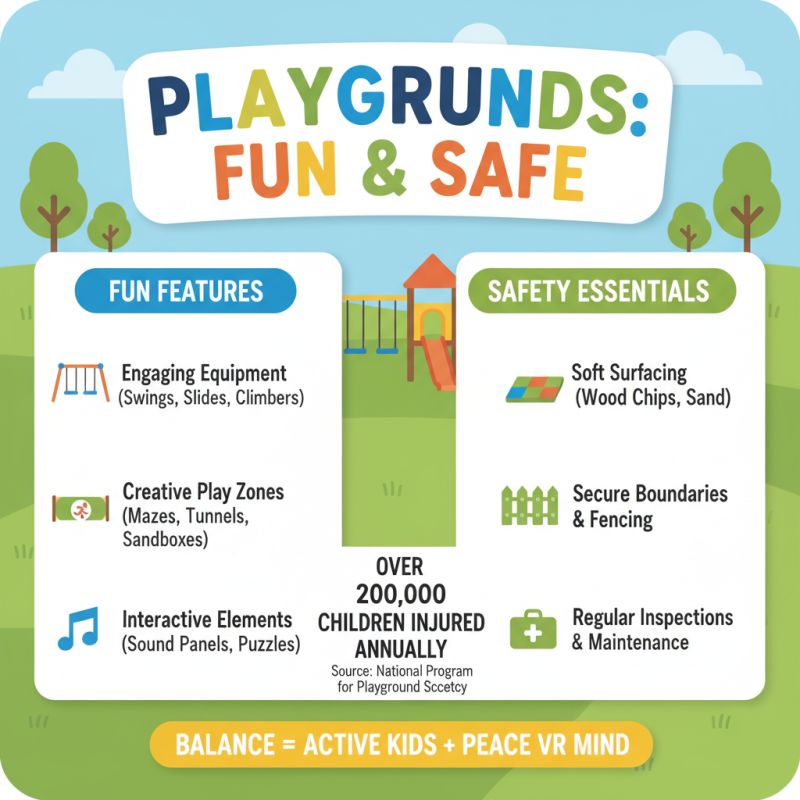
Creating a fun and safe playground environment is crucial for children's development. According to the National Program for Playground Safety, over 200,000 children are injured on playgrounds annually. It's essential to combine engaging play equipment with safety features. This balance not only encourages physical activity but also gives parents peace of mind.
Play structures should cater to various age groups. Young children benefit from smaller slides and imaginative play areas. Older kids might enjoy climbing walls or more adventurous options. However, not all equipment is built with safety measures. Always check for age-appropriate designs. Equipment should have no sharp edges or gaps where children could get stuck.
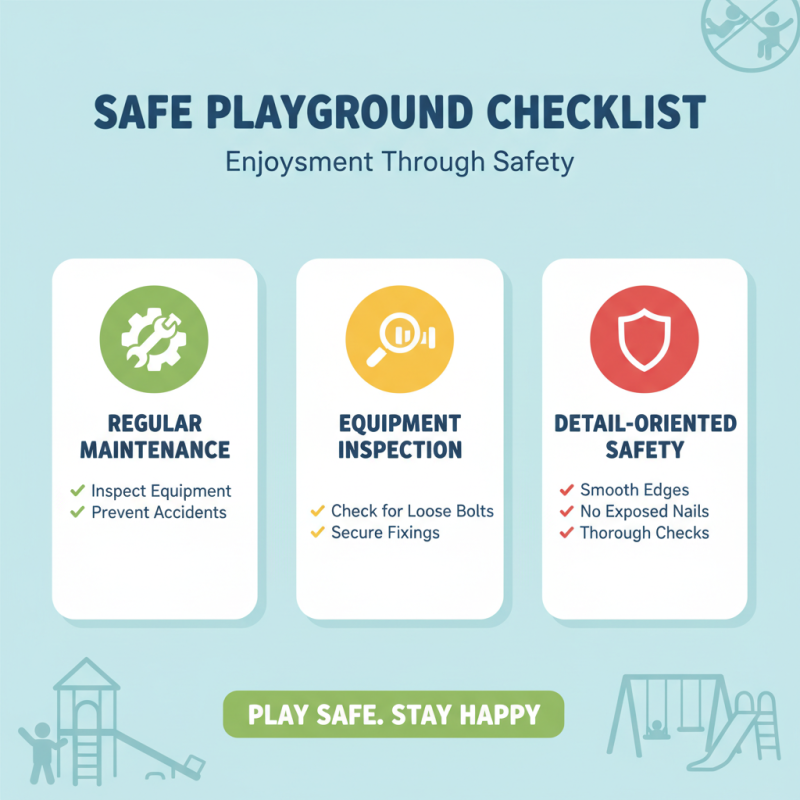
Tips: Ensure soft ground surfaces like rubber mats or mulch are installed. Regular maintenance is key. Inspect the equipment frequently for wear and tear. Also, consider installing safety barriers to prevent falls. Encourage children to engage in cooperative play. This can minimize roughhousing and related injuries, promoting a healthier play culture. A playground should be a space of learning and exploration, yet risks cannot be completely eliminated. Regularly reviewing play equipment and observing children's interaction can lead to better safety outcomes.
Designing Inclusive Playgrounds for Children of All Abilities
Designing inclusive playgrounds is crucial for all children. Reports show that around 15% of children live with disabilities. Playgrounds should create opportunities, not barriers. Children need to feel safe and welcome in their play spaces.
Accessible design features include wide pathways and wheelchair-friendly equipment. Safety surfacing materials should cushion falls and prevent injuries. Yet, many parks still lack these essential elements. A study revealed that only 33% of U.S. playgrounds meet accessibility standards. This statistic is alarming.
Inclusive playgrounds offer sensory areas. These spaces engage children of all abilities. Unique textures, sounds, and sights can enhance the experience. However, not every designer prioritizes this. Many playgrounds remain traditional and uninviting.
We must reflect on what truly makes a playground inclusive. Collaboration with experts and community input is vital. Ensuring fun for everyone is a collective responsibility that we cannot overlook.
 +86-13901441113

 CONTACT NUMBER
 CONTACT NUMBER