What is Garden Play and How to Choose the Best Options?
Garden Play has gained significant attention in recent years, driven by the increasing recognition of its benefits. According to a recent study by the American Academy of Pediatrics, outdoor play improves children's physical health and fosters social skills. Engaging in Garden Play can enhance creativity, allowing children to connect with nature.
The National Recreation and Park Association reported a staggering 70% of parents believe outdoor play is vital for their children's development. However, very few have access to safe and engaging play spaces. Gardening offers a unique way to combine play with educational experiences.
Exploring options for Garden Play requires careful consideration of various factors. Parents should look for age-appropriate tools, engaging plants, and safe environments. While many families embrace gardening, some may overlook the potential challenges, like local climate factors or soil quality. Recognizing these barriers is essential for fostering a successful Garden Play experience.
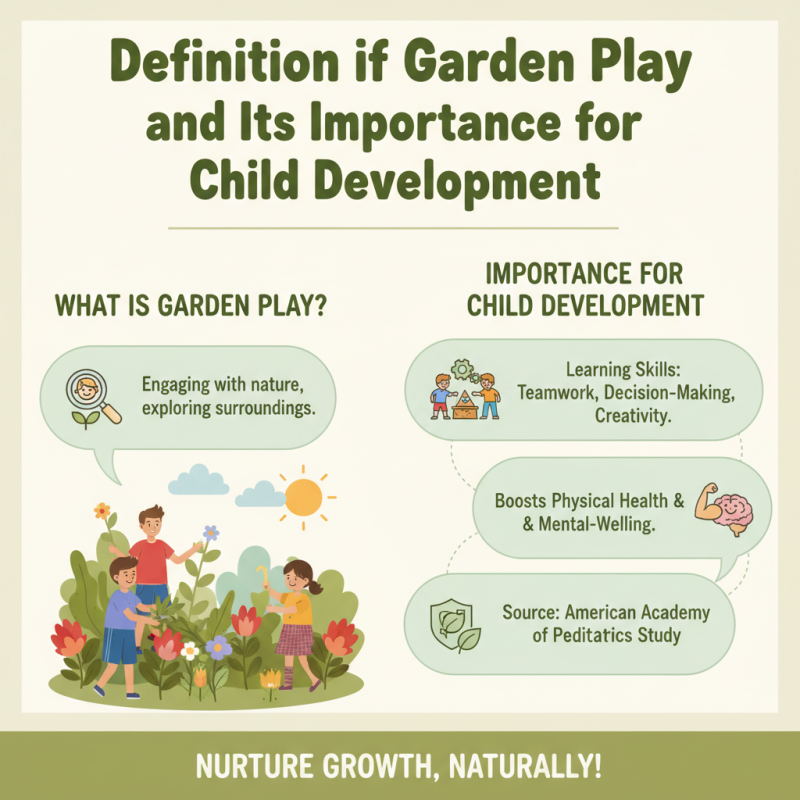
Definition of Garden Play and Its Importance for Child Development
Garden play offers unique opportunities for children's growth and development. Engaging with nature helps kids explore their surroundings. They learn vital skills like teamwork, decision-making, and creativity. A study by the American Academy of Pediatrics highlights that outdoor play can significantly boost children’s physical health and mental well-being.
The importance of garden play is profound. It encourages sensory experiences through touch, sight, and sound. Research indicates that children who spend time in green spaces show improved concentration and reduced anxiety levels. A report from the University of Illinois reveals that children with access to natural environments perform better academically. Yet, many kids miss out on this vital aspect of development.
Choosing the right garden play options requires careful thought. Look for safe spaces with diverse plants and open areas. Consider whether the setup encourages both solitary play and group activities. However, it's worth noting that not all garden designs prioritize inclusive play. Spaces that seem appealing might lack accessibility or a variety of activities. Parents should reflect on these aspects to ensure a well-rounded experience for their children.
Types of Garden Play Activities: Natural vs. Structured Play
Garden play can be broadly categorized into two types:
natural play and structured play.
Natural play fosters creativity and imagination through unstructured exploration.
Children engage with nature directly. This type of play encourages sensory experiences, enhances problem-solving skills,
and promotes physical health. Reports indicate that 70% of children prefer
play that allows them to interact with natural elements like soil, plants, and water.
On the other hand, structured play involves organized activities with specific goals.
This might include games with rules, team sports, or guided tasks. While structured play is essential for teamwork and discipline,
it sometimes limits creativity. According to a study by the American Academy of Pediatrics,
children benefit from a balance of both types of play to develop holistically.
Consider the following tips when designing play spaces. Incorporate
a variety of natural elements like logs, stones, and plants to spark creativity. Allow open areas for exploration.
For structured play, set up clear boundaries and guidelines but allow flexibility within those parameters.
This blend can lead to enriching experiences. Reflection on children's responses to various activities can also inform future designs.
Criteria for Selecting the Best Garden Play Equipment and Materials
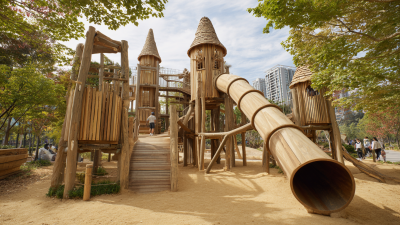
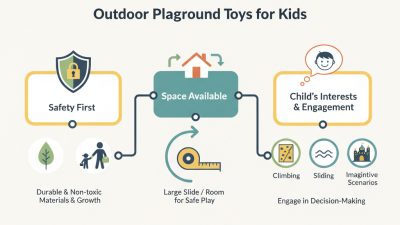
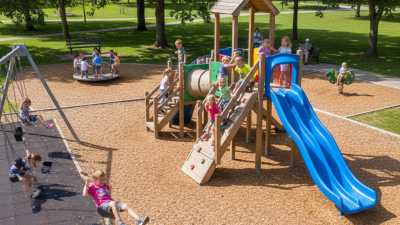
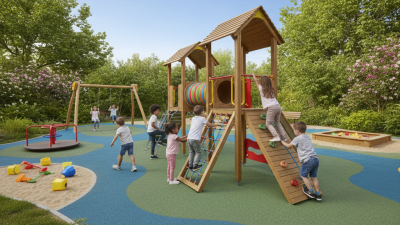
When selecting garden play equipment, consider safety, durability, and age appropriateness. The American Academy of Pediatrics recommends that equipment should be age-specific. For preschoolers, soft surfaces and low-height structures are safer. The playground can be a joyful and developmental space. Yet, safety risks persist.
Materials matter. Select non-toxic, weather-resistant options. For instance, untreated wood can splinter, while metal may be too hot under direct sunlight. According to industry reports, around 40% of injuries result from poorly constructed equipment. Investing in quality is crucial.
Tips: Always inspect equipment weekly. Look for loose parts or rust. Additionally, involve children in the selection process. They will appreciate a space designed with their preferences in mind. Optimizing your garden play setup creates not just a safe, but an inviting environment.
Garden Play Equipment Popularity
Safety Considerations for Garden Play Areas: Tips and Guidelines
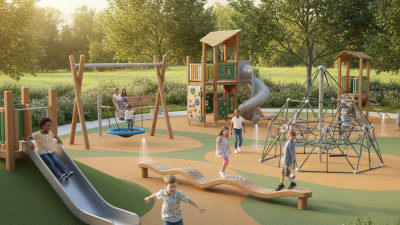
Creating a safe garden play area is essential for children. The design should prioritize their safety while encouraging creativity. Begin by inspecting the space for potential hazards. Look for sharp objects, holes, or uneven ground. Address these issues before introducing play equipment.
Consider the age of the children using the space. Different ages require different types of equipment. For toddlers, low structures are ideal. They should be soft and padded. For older kids, climbing structures can be more challenging. Safety surfacing beneath play equipment can reduce fall injuries. This could be mulch, rubber matting, or grass.
Tips for ensuring safety include maintaining clear visibility. Parents should always supervise playtime. Surround the play area with a fence to create a boundary. Regularly check all equipment for wear and tear. Replace any damaged parts immediately. Creating a safe environment fosters confidence and independence in children as they explore their surroundings.
Incorporating Nature into Garden Play: Benefits and Methods
Incorporating nature into garden play offers numerous benefits for children. Engaging with the outdoors helps stimulate their senses. They touch, smell, and see different plants and flowers. This interaction fosters a deeper connection to the environment. Kids learn about nature's cycles and develop respect for living things.
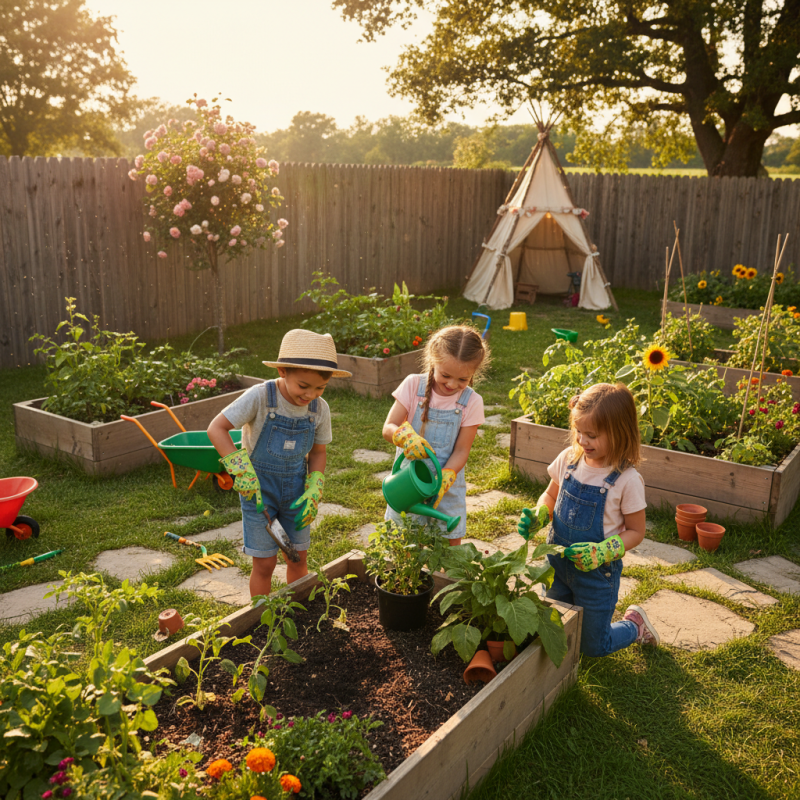
Creating a playful garden can be simple. Use natural elements like wood, stones, and plants. Building a small flower bed can be an exciting project. Children can plant seeds and watch their growth. This hands-on experience teaches responsibility and patience. Adding winding paths made of gravel invites exploration and adventure.
Consider using natural play structures too. A log balance beam encourages motor skills. Children can experiment with climbing trees or designing a small fort. Such activities promote creativity and physical fitness. However, it's essential to supervise play to ensure safety. Reflecting on the space, you might see opportunities for improvement. Perhaps more shade or different plant varieties can enhance the experience.
What is Garden Play and How to Choose the Best Options?
| Option |
Description |
Benefits |
Ideal Age Group |
Cost Range |
| Nature-Based Play Structures |
Playground equipment designed to blend with natural surroundings. |
Promotes physical activity, creativity, and social interaction. |
3-12 years |
$200 - $5,000 |
| Gardening Kits for Kids |
All-in-one kits that include seeds, tools, and instructions. |
Encourages responsibility, patience, and an appreciation for nature. |
4-10 years |
$15 - $50 |
| Nature Exploration Kits |
Kits that include tools for exploring nature like magnifying glasses and journals. |
Enhances observational skills and encourages outdoor exploration. |
5-12 years |
$20 - $80 |
| Outdoor Art Stations |
Designated areas for painting, drawing, and crafting outdoors. |
Fosters creativity while connecting with the outdoors. |
3-14 years |
$100 - $1,000 |
| Nature Trails |
Paths designed for walking, running, or biking in natural settings. |
Promotes physical health and mental well-being. |
All ages |
Free to $10,000 (depending on construction) |
 +86-13901441113

 CONTACT NUMBER
 CONTACT NUMBER