What is the Best Playground Type for Global Buyers?
In today's world, choosing the right playground can significantly impact children's development. With various types available, understanding what constitutes the "Top Playground" is critical for global buyers. Research shows that well-designed playgrounds enhance physical health and social skills among children. However, not every design resonates universally with diverse cultural and environmental settings.
The ideal playground blends safety, accessibility, and engaging features. It should cater to different age groups and abilities. Yet, balancing these aspects remains a challenge for many buyers. Some playgrounds, although impressive, may not effectively meet children's needs. Certain regions have specific requirements that a global buyer must consider.
In exploring the best playground types, it’s essential to remain open to feedback and adapt to local preferences. Identifying the right playground involves ongoing reflection and understanding. Every community has unique needs, and the "Top Playground" for one may not hold the same appeal elsewhere. Prioritizing features that promote inclusivity and fun can guide buyers to make informed choices.
Types of Playgrounds: A Comprehensive Overview for Global Buyers
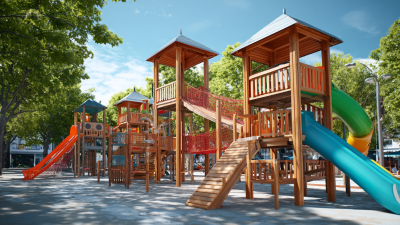
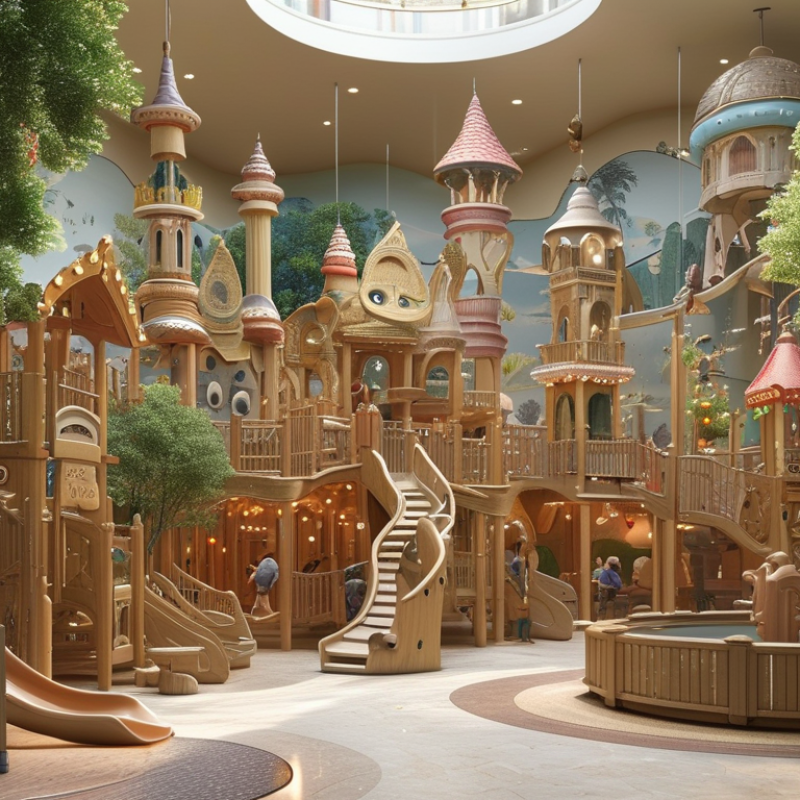
When selecting the right playground, global buyers encounter various types. Each type caters to specific needs, age groups, and environments. For example, natural playgrounds blend with the environment, promoting exploration. Traditional playgrounds, with swings and slides, offer a classic experience. Adventure parks provide challenging structures for older children.
Buyers should consider the community's preferences and available space. Understanding safety regulations and maintenance requirements is crucial. Local climate can influence material durability. It’s vital to consult regional experts about best practices in design and installation.
Tips: Always prioritize safety. Research materials that withstand weather conditions. Visit existing playgrounds for firsthand observation. Don’t overlook accessibility; inclusive designs benefit everyone. Reflect on long-term maintenance costs. Balancing quality and budget is an ongoing task in making the right choice.
Factors Influencing Playground Selection for Global Markets
When selecting playground types for global markets, several factors come into play. First, understanding local culture is essential. Different regions have unique preferences for play structures. For instance, some areas prioritize climbing features, while others may emphasize swings. These preferences influence the overall design and functionality of playgrounds.
Safety standards significantly impact playground selection. Each country has its own regulations regarding materials and construction standards. Adhering to these is crucial for ensuring child safety. Global buyers must evaluate compliance with regulations. This can vary greatly, sometimes complicating the selection process.
Tips: Engage with local communities to gather insights on preferred play styles. Research safety regulations thoroughly. Also, consider weather conditions. Durable materials cater to diverse climates. Additionally, think about accessibility. Inclusive designs promote play for children of all abilities, adding value to the playground. Recognizing these factors can lead to better decisions for global buyers.
Safety Standards and Regulations Impacting Playground Purchases
When considering the best playground type for global buyers, safety standards and regulations are crucial. Each region has specific guidelines to ensure child safety. Familiarity with these standards can prevent costly mistakes. For instance, some regions require soft-fall surfaces to minimize injury risks. It's essential to research local regulations before making any purchases.
Different countries follow various safety certifications, impacting decision-making. Buyers may face challenges understanding these requirements. Some standards may be more stringent than others. However, failing to comply can lead to serious liabilities. It's vital to engage with safety experts who can offer guidance. Consultations can clarify the nuances of these regulations.
Moreover, playground designs must accommodate diverse user needs. Global buyers must consider accessibility for children with disabilities. This can add complexity to compliance with safety regulations. Buyers could find themselves reflecting on their choice of equipment. Does it meet safety standards while also promoting inclusion? Balancing these factors is a thoughtful process. Investing time in research pays off in the long run.
What is the Best Playground Type for Global Buyers? - Safety Standards and Regulations Impacting Playground Purchases
| Playground Type |
Key Safety Standards |
Impact on Purchases |
Common Regulations |
| Traditional Metal Playground |
ASTM F1487, EN 1176 |
High durability; favored for their classic look |
CPSC Guidelines, Local Building Codes |
| Plastic Playground Structures |
ASTM F2373, EN 1176 |
Lightweight and versatile; often preferred for ease of installation |
CPSC Guidelines, Local Building Codes |
| Natural Playgrounds |
ASTM F2057, EN 1176 |
Growing popularity; encourages interaction with nature |
Local Sustainability Regulations |
| Accessible Inclusive Playgrounds |
ASTM F1487, ADA Standards |
Essential for community compliance and inclusiveness |
ADA Regulations, Local Building Codes |
| Adventure Playgrounds |
ASTM F1163, EN 1176 |
Promotes risk-taking; popular in modern designs |
Local Safety Regulations |
Trends in Playground Design: What Global Buyers Should Know
Playground design has evolved significantly in recent years. Global buyers should focus on creating inclusive spaces. Modern playgrounds must cater to children of all abilities. Accessibility is now more than a trend; it’s a requirement. Sensory-rich environments engage children in unique ways. Think about varied textures and colors that invite exploration. This approach fosters creativity and social interaction.
Sustainability plays a vital role in modern designs. Eco-friendly materials are gaining popularity as buyers prioritize long-term impacts. Natural elements like wood and recycled materials are preferred choices. However, sourcing such materials can present challenges. Local regulations and availability affect options significantly. It's crucial to stay informed about regional guidelines to avoid compliance issues.
Safety cannot be overlooked. Innovative designs must ensure that children can play freely without risks. Ground surfaces, equipment quality, and play layout should be thoroughly assessed. While trends can provide inspiration, each project needs careful consideration. Buyers are encouraged to collaborate with designers. They can help balance creativity with practical safety measures, even if it feels overwhelming at times.
Evaluating Cost vs. Quality in Playground Equipment Choices
When selecting playground equipment, evaluating cost versus quality is crucial. Many buyers face the dilemma of choosing between lower-cost options and higher-quality materials. It’s essential to understand that cheap solutions may compromise safety and durability. Investing in quality ensures longevity, but it requires a larger upfront cost.
Tips: Consider materials used in construction. Look for weather-resistant and non-toxic options. This helps maintain safety over time. Think about maintenance costs as well. Cheaper options may require frequent repairs, negating initial savings.
Pay attention to the playground's audience. Different age groups have varying needs. For example, equipment for toddlers must be safe yet engaging. Balance these needs with budget constraints. It’s okay to have a limited budget, but reflect on whether it meets children’s safety standards. Finding that balance is key.
 +86-13901441113

 CONTACT NUMBER
 CONTACT NUMBER