+86-13901441113


Choosing the best China Outdoor Play Slide requires more than comparing bright colors, prices, or catalog photographs. The right product must suit children’s ages, available space, climate, and daily supervision. It should also show careful attention to platform height, slide angle, handrails, guardrails, entry points, and impact-absorbing surfacing.
Dr. Joe L. Frost, a respected playground researcher and professor emeritus, famously described play as “the business of childhood.” His view remains useful here. A good Outdoor Play Slide should invite movement, confidence, and repeated exploration without creating unreasonable hazards. Smooth rotational-molded plastic can reduce sharp edges. Stainless-steel fasteners can resist outdoor moisture. Proper drainage matters after heavy rain. Small details become important.
China has many capable playground manufacturers, but quality varies between suppliers and product lines. A low quotation may hide thinner materials, weaker welds, limited testing, or poor installation guidance. A polished product image proves very little. Buyers should request material specifications, load information, inspection records, warranty terms, and clear installation drawings. They should also confirm whether the equipment fits recognized safety requirements in the destination market.
There is no universal winner. A compact slide may work beautifully in a kindergarten courtyard but fail in a busy public park. I would not judge durability from one factory visit or one customer review. Real evaluation needs samples, documentation, reference projects, and careful observation after installation. This article examines those practical factors, helping buyers identify an Outdoor Play Slide that is engaging, maintainable, and genuinely suitable for children.
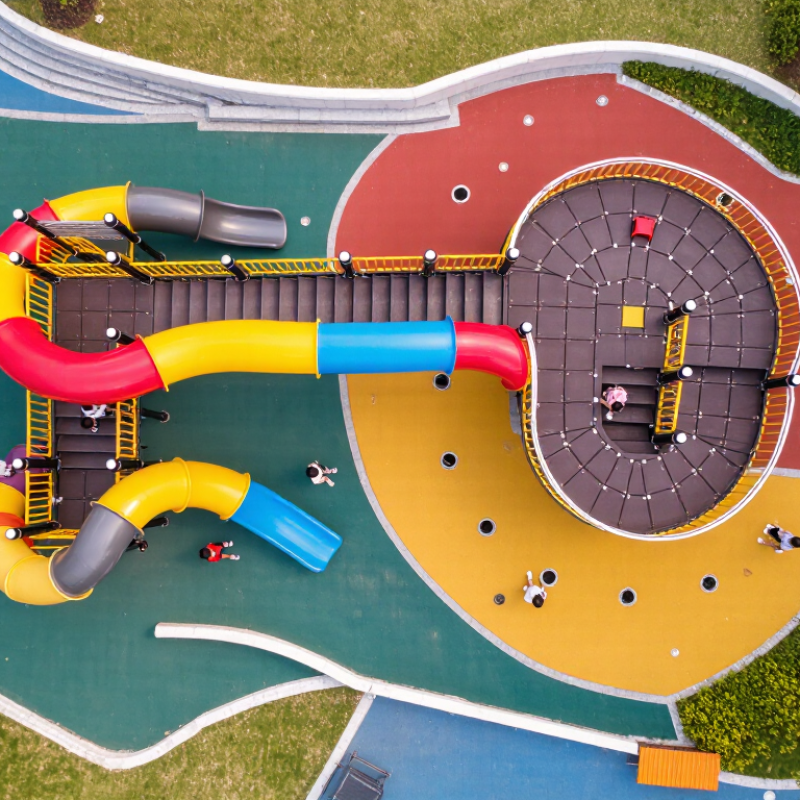
A high-quality China outdoor play slide is defined by safety, durability, and thoughtful design, not appearance alone. Experienced buyers should inspect the material before judging the color or shape. Rotomolded plastic should feel solid, evenly formed, and resistant to cracking under sunlight. Metal supports need smooth welds, secure joints, and corrosion-resistant treatment. Every edge should be rounded, including hidden areas beneath the platform.
Reliable construction also includes stable anchoring and a suitable fall zone. The ladder should provide firm footholds, while the platform needs enough space for children to turn safely. Drainage holes can prevent standing water after rain. Check the slide against applicable local playground standards, such as EN 1176 or ASTM guidance, before installation. Requirements may differ by country. One detail I once underestimated was heat buildup on dark plastic. It can become uncomfortable quickly in strong afternoon sun.
Tips: Request material specifications, load information, installation instructions, and maintenance records. Ask for close-up photos of welds, bolts, and underside supports. Test the sample outdoors if possible. Look for UV protection, rounded transitions, and replaceable fasteners. A supplier may describe a slide as “heavy-duty,” but measurable details matter more. Inspect the equipment regularly, because even excellent construction cannot replace maintenance. Some designs look impressive yet create awkward climbing angles. That is worth questioning before purchase.
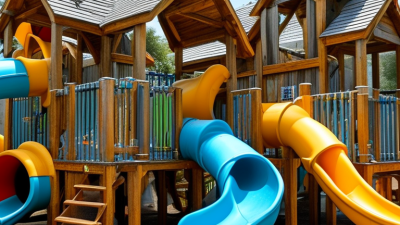
China manufactures several types of outdoor play slides for schools, parks, resorts, and residential communities. Straight slides remain common because they are simple to install and easy to supervise. Wave slides add movement without requiring a large footprint. Spiral slides create a slower, enclosed descent for older children. Tube slides offer shade and excitement, but their darker interiors need careful temperature checks.
Many factories also produce combination play systems with climbing walls, platforms, bridges, and multiple slides. Materials often include rotational-molded polyethylene, stainless steel, fiberglass, and coated metal frames. Polyethylene feels smooth and resists moisture. Stainless steel performs well in busy public areas, although it can become hot under strong sunlight. Fiberglass allows unusual shapes, but damaged surfaces require prompt repair.
A reliable supplier should provide drawings, material details, load limits, installation instructions, and safety test records. Check platform height, handrails, exit clearance, anchoring depth, and drainage around the equipment. Edges should feel rounded, not sharp. Gaps must not trap fingers, clothing, or limbs. In my experience, buyers sometimes focus on bright colors and overlook the ground surface. That is a costly mistake. I also once underestimated afternoon heat on a metal slide. The design looked excellent, yet the surface became uncomfortable within minutes. Factory inspection, sample testing, and local safety review remain necessary before installation.
Chinese outdoor play slides are designed around controlled movement, not just bright colors. Manufacturers commonly follow GB/T 27689-2011 and reference ASTM F1487 or EN 1176. These standards address platform height, guardrails, entrapment gaps, impact zones, and material durability. The CPSC reports about 200,000 children receive emergency treatment for playground injuries annually in the United States. Falls cause many of these incidents, so slide design begins with safer transitions.
A well-designed slide has rounded edges, secure handrails, and an enclosed platform entrance. The chute should maintain a steady slope, without sudden drops that throw children forward. At the exit, a long run-out area helps reduce landing speed. Impact-absorbing surfacing, such as engineered wood fiber or rubber tiles, should extend beyond the slide’s fall zone. Drainage also matters after heavy rain. Water trapped under equipment can hide hard surfaces and create slipping risks. Materials need UV resistance, smooth welds, and non-toxic coatings. Small gaps deserve special attention. A child’s finger or clothing can catch there.
Factory inspections should include load testing, surface checks, and repeated use simulations. Yet no design removes every risk. I have seen layouts that meet measurements but feel awkward for younger children. That gap deserves more observation, especially from caregivers and installers. Safety improves when technical standards meet real playground behavior.
| Safety and Design Dimension | Typical Design Approach for Chinese Outdoor Slides | Safety Value | Recommended Verification |
|---|---|---|---|
| Applicable safety standards | Products may be designed and tested against applicable Chinese requirements, such as GB/T 27689 for slides, or against international standards where required by the project. | Creates a defined framework for structural strength, access, slide geometry, entrapment, impact areas, and user protection. | Request the exact standard edition, test scope, laboratory report, and product model covered by the documentation. |
| Platform height and age suitability | Slide height, access steps, and chute design are selected according to the intended age group and expected user ability. | Reduces the risk of falls, unsuitable speed, and misuse by children outside the intended age range. | Check the stated age range, maximum platform height, user capacity, and supervision requirements. |
| Guardrails and protective barriers | Raised sides, guardrails, handholds, and barriers are placed around elevated platforms and access points where a fall hazard exists. | Helps prevent children from stepping or falling directly from elevated areas. | Inspect barrier continuity, openings, rigidity, and whether the design matches the selected safety standard. |
| Slide chute geometry | The chute is designed with a controlled slope, smooth transitions, sufficient side containment, and a suitable exit section. | Controls sliding speed and helps reduce tipping, side falls, and abrupt landings. | Review dimensional drawings and confirm that the installed slide matches the tested configuration. |
| Entrapment prevention | Openings, tunnels, joints, ladders, and moving interfaces are designed to avoid hazardous head, neck, finger, hand, or foot entrapment. | Reduces the possibility of a child becoming trapped during climbing or sliding. | Use an independent inspection or test report covering entrapment openings and accessible gaps. |
| Impact-attenuating surfacing | The landing and fall zones are paired with suitable impact-absorbing surfacing, such as engineered wood fiber, sand, rubber tiles, or poured-in-place systems. | Reduces injury severity if a child falls from the equipment. | Verify critical fall height, installed surfacing depth or system certification, drainage, and maintenance condition. |
| Material and surface finish | Common outdoor constructions use coated steel, stainless steel, rot-resistant timber, or UV-resistant molded plastics, depending on the design. | Suitable materials improve weather resistance and help maintain structural and surface safety. | Check coating specifications, corrosion protection, UV resistance, weld quality, and material safety documentation. |
| Edges, joints, and fasteners | Exposed edges are rounded or protected; welds are finished smoothly; bolts and fixing hardware are secured and shielded where accessible. | Reduces cuts, pinching, snagging, and loosening during repeated use. | Perform a hands-on inspection and review assembly drawings, torque requirements, and replacement-part instructions. |
| Structural stability and anchoring | Posts, platforms, ladders, and slide sections are engineered for expected loads, repeated use, wind exposure, and site-specific foundations. | Prevents excessive movement, overturning, settlement, and premature structural failure. | Confirm structural calculations, foundation details, anchoring method, installation records, and site conditions. |
| Drainage and climate resistance | Outdoor components include drainage paths and finishes selected for local rain, humidity, sunlight, temperature changes, and coastal exposure. | Helps reduce slippery surfaces, water accumulation, corrosion, fading, and material degradation. | Evaluate drainage after installation and request environmental or coating performance information for the project location. |
| Temperature and weather checks | The installation plan considers direct sunlight, wet weather, ice, strong wind, and hot metal or plastic surfaces. | Reduces burns, slips, weather-related damage, and unsafe operation during adverse conditions. | Use shade where practical, inspect surfaces before opening, and close equipment during unsafe weather. |
| Inspection and maintenance | A maintenance plan covers routine visual checks, operational inspections, tightening, cleaning, corrosion control, and replacement of worn parts. | Maintains safety performance throughout the equipment’s service life. | Request inspection frequency, maintenance records, spare-parts availability, warranty terms, and responsible personnel. |
| Overall selection indicator | The best slide is not determined by appearance alone; it combines suitable age design, verified compliance, durable materials, correct installation, safe surfacing, and ongoing maintenance. | A complete safety system provides better protection than any single feature. | Compare documented evidence, site suitability, lifecycle support, and independent inspection results before purchase. |
Note: Exact dimensions, age limits, critical fall heights, and test methods depend on the selected product, installation site, and applicable edition of the relevant safety standard.
A slide for Chinese outdoor use must survive heat, rain, dust, and repeated impact. Material choice matters more than bright colors. Rotomolded, UV-stabilized polyethylene resists rust and keeps surfaces smooth. Powder-coated steel needs sealed joints and regular coating checks. Stainless steel hardware helps, but it does not excuse poor installation. The U.S. CPSC recorded an estimated 155,400 playground injuries treated in emergency departments in 2021. That figure is not China-specific, yet it shows why surface design deserves serious attention.
Buyers should inspect slide height, side rails, entry platforms, and exit clearance. Rounded edges should feel smooth under a bare hand. Openings must avoid head or finger entrapment. ASTM F1487 and EN 1176 offer useful benchmarks, while Chinese projects should also verify local standards and test records. A drainage path under the platform prevents stagnant water after storms. Small detail, big consequence. Anchoring should match soil conditions, not only the catalog drawing. A loose base can turn a safe-looking slide into a wobbling hazard.
Ask for UV-aging results, impact tests, load ratings, and material certificates. Check whether those documents identify the actual production batch. Independent inspection is stronger than a supplier promise. The CPSC Public Playground Safety Handbook emphasizes protective surfacing beneath and around equipment. Concrete should never sit in the fall zone. EPDM tiles or engineered wood fiber may reduce impact, but installation depth and maintenance control performance. I would avoid judging by appearance alone. Even a well-made slide can fail when shade, drainage, and inspections are ignored.
What Is the Best China Outdoor Play Slide?
Choosing the best China outdoor play slide requires more than comparing prices or bright colors. The World Health Organization reported that 81% of school-aged adolescents were insufficiently active in 2016. A well-designed slide can encourage movement, balance, and social play. However, safety must guide every decision. The U.S. Consumer Product Safety Commission states that falls cause about 79% of playground injuries. Therefore, check the slide’s height, platform access, guardrails, handgrips, and impact-absorbing surfacing.
Tips: Ask the supplier for material specifications, load-test records, installation drawings, and maintenance instructions. Inspect stainless steel or galvanized components for sharp edges and weak welds. Confirm that plastic surfaces resist ultraviolet damage, cracking, and excessive heat. Measure the required fall zone before ordering. ASTM F1487 and EN 1176 can provide useful technical references, even when local requirements differ. Do not accept vague claims such as “safe material.” Request test methods and recent documentation.
A reliable factory should explain drainage, anchoring, surface thickness, and replacement procedures clearly. Visit the production site when possible, or use an independent inspection service. I would not trust a glossy catalogue alone. A smooth-looking slide may still have poor drainage or uncomfortable seams. The perfect choice is not always the tallest model. Younger children need lower access steps and gentler slopes. One judgment can still be wrong, so observe the site, climate, age range, and expected daily use before approving the final design.
How Can You Choose the Best China Outdoor Play Slide?
This buyer-focused weighting model ranks the factors that matter most when selecting an outdoor play slide: safety compliance and impact protection should receive the highest priority, followed by material durability, age suitability, maintenance, and installation support. Always request current test reports, material specifications, warranty terms, and installation instructions before purchasing.