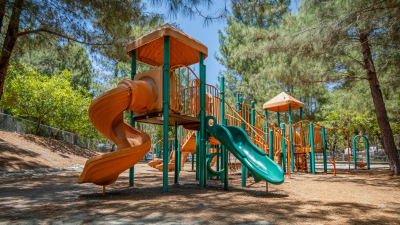
Top Benefits of Playground In The Park for Children and Families?
A playground in the park serves as a vibrant hub for children and families. It offers numerous benefits that go beyond mere entertainment. With ample space to run and explore, a playground encourages physical activity. Children can build strength, coordination, and social skills through play.
The setting of a playground in the park also fosters connections between families. Parents can meet each other while watching their children play. This creates a community atmosphere that can enhance social bonds and support networks. However, not every park playground meets the needs of children. Some may lack adequate safety measures or inclusive designs.
In addition to physical health, a playground enhances mental well-being. Nature surrounding these spaces can reduce stress for both kids and adults. However, families might find themselves struggling with underutilized parks due to safety concerns or lack of facilities. Reflecting on the importance of well-designed playgrounds can lead to better community engagement.

Benefits of Physical Activity on Playground Equipment for Kids
Playgrounds in parks offer essential physical activity for children. When kids climb, swing, and slide, they strengthen their muscles and improve coordination. These activities promote cardiovascular health and contribute to a healthy weight. Regular playtime outdoors encourages exploration and creativity.
Kids easily burn energy when playing on equipment. This helps reduce stress and anxiety, fostering better mental health. Parents can enjoy watching their children engage in healthy competition and teamwork. It's a joyful experience for families, enhancing bonding time.
Tips for parents: Encourage your kids to try different types of equipment. Variety helps in developing various skills. Set boundaries to ensure safety while they explore. Always supervise younger children to prevent accidents. Playtime can be a chance for you to join in too. It can create lasting memories and strengthen family connections.
Social Interaction Opportunities at Playground Spaces for Families
Playgrounds in parks offer incredible opportunities for social interaction among families. They serve as hubs where children meet, play, and develop friendships. According to a report from the American Academy of Pediatrics, playtime is crucial for children's social development. Children learn to cooperate, communicate, and resolve conflicts through play.
Park playgrounds also encourage family bonding. Parents often engage with their children in active play, which fosters deeper connections. A survey by the National Recreation and Park Association revealed that 75% of families believe their local parks significantly enhance family interactions. This social fabric builds a sense of community, which is essential for emotional well-being.
However, not all playgrounds are designed equally. Some lack adequate safety features and inclusive equipment. This can limit accessibility for children with disabilities. Parents should advocate for improvements to make sure all families can participate in playground activities. Creating inclusive environments is not just an ideal; it’s a necessity for fostering connections and belonging among diverse groups.
Top Benefits of Playground In The Park for Children and Families
| Benefit |
Description |
| Social Interaction |
Playgrounds provide a space for children to meet and interact, facilitating friendships and social skills development. |
| Physical Activity |
Playgrounds encourage kids to engage in physical activities, which support healthy growth and promote fitness. |
| Family Bonding |
Visit parks and playgrounds fosters quality time for families, strengthening relationships through shared activities. |
| Creative Play |
Playgrounds stimulate imaginative play, allowing kids to explore roles and scenarios that encourage creativity. |
| Cognitive Development |
Interacting on playground equipment can enhance problem-solving skills and cognitive growth in children. |
| Emotional Well-being |
Engaging in play can reduce stress and improve mood, supporting overall emotional health in children. |
Cognitive Development through Play: Learning in a Natural Environment
Playgrounds in parks offer invaluable opportunities for cognitive development in children. When children engage in play, they learn essential problem-solving skills. Climbing structures and swings require planning and balancing. This type of physical engagement stimulates brain activity. Children explore their surroundings, enhancing their sensory awareness.
Natural environments enhance cognitive learning too. The sights and sounds of nature spark curiosity. Children investigating bugs or examining plants develop observational skills. Interaction with peers in this setting encourages social skills. They learn to share, negotiate, and resolve conflicts. These experiences promote emotional intelligence, fostering empathy among young minds.
However, some parents worry about safety. While risks exist, controlled risk-taking is important. Kids need to learn their limits. A little dirt and a few scrapes can teach resilience. It might seem daunting, but stepping back may be beneficial. Reflecting on these moments allows children to grow confidently. Playground experiences shape not just fun memories, but essential life lessons.
Safety and Supervision Considerations in Public Park Play Areas
Public parks with playgrounds are essential for children’s development. However, safety and supervision in these areas require careful consideration. According to the National Safety Council, over 200,000 injuries occur annually in public playgrounds in the U.S. alone. Many of these incidents are preventable by ensuring that parents or guardians actively supervise their children while they play.
The design and maintenance of playground equipment significantly impact safety. Clear sightlines are vital for effective supervision. Parents should be positioned to observe multiple play areas at once. Broken equipment or poorly designed structures may increase the risk of accidents. A report from the Consumer Product Safety Commission shows that 60% of playground-related injuries stem from unsafe equipment. Communities need to regularly inspect these areas to identify hazards.
Despite all precautions, supervision lapses are common. Busy parents might be distracted by their phones or conversations. This highlights the need for educational efforts. Workshops can inform families about safe play practices. Local authorities can collaborate with schools to promote awareness. Children can enjoy outdoor spaces more safely when adults take an active role in supervision. A proactive approach can help mitigate risks in playgrounds, making them safe havens for play and exploration.
Inclusive Playgrounds: Promoting Diversity and Accessibility for All
Inclusive playgrounds are essential for fostering diverse and accessible environments for all children and families. According to the National Center on Accessibility, around 1 in 5 children in the U.S. experience some form of disability. This statistic highlights the necessity of designing play areas that cater to varied needs. Inclusive playgrounds go beyond traditional features; they integrate sensory-rich equipment, wheelchair-accessible surfaces, and adaptable swings. This approach not only supports children with disabilities but also encourages social interactions among diverse groups.
Creating an inclusive playground requires thoughtful design. Engaging community members during the planning stages is crucial. It helps ensure that the needs of all families are considered. According to the American Academy of Pediatrics, play is vital for children’s development, enhancing social skills and physical well-being. However, many typical playgrounds fall short for those with mobility challenges or sensory sensitivities. Recognizing this gap is critical for building spaces where every child can thrive.
Tips for creating inclusive play experiences include fostering open communication with families to understand their needs. Observe and analyze how children play in existing facilities to identify improvements. Consider age-appropriate design elements, ensuring that both younger and older kids can enjoy the space together. Such reflections guide us toward developing playgrounds that truly cater to everyone.
Top Benefits of Playground In The Park for Children and Families
This chart illustrates the various benefits of playgrounds in parks for children and families, highlighting key areas such as physical activity, social skills, cognitive development, emotional well-being, and inclusivity. Each bar represents the percentage of families that recognize the importance of these benefits.
 +86-13901441113

 CONTACT NUMBER
 CONTACT NUMBER